UK Betting and Gaming Council Unveils 'Spot The Black Market' Quiz to Expose Illegal Gambling Traps
11 Mar 2026
UK Betting and Gaming Council Unveils 'Spot The Black Market' Quiz to Expose Illegal Gambling Traps
The Launch That Targets Hidden Dangers
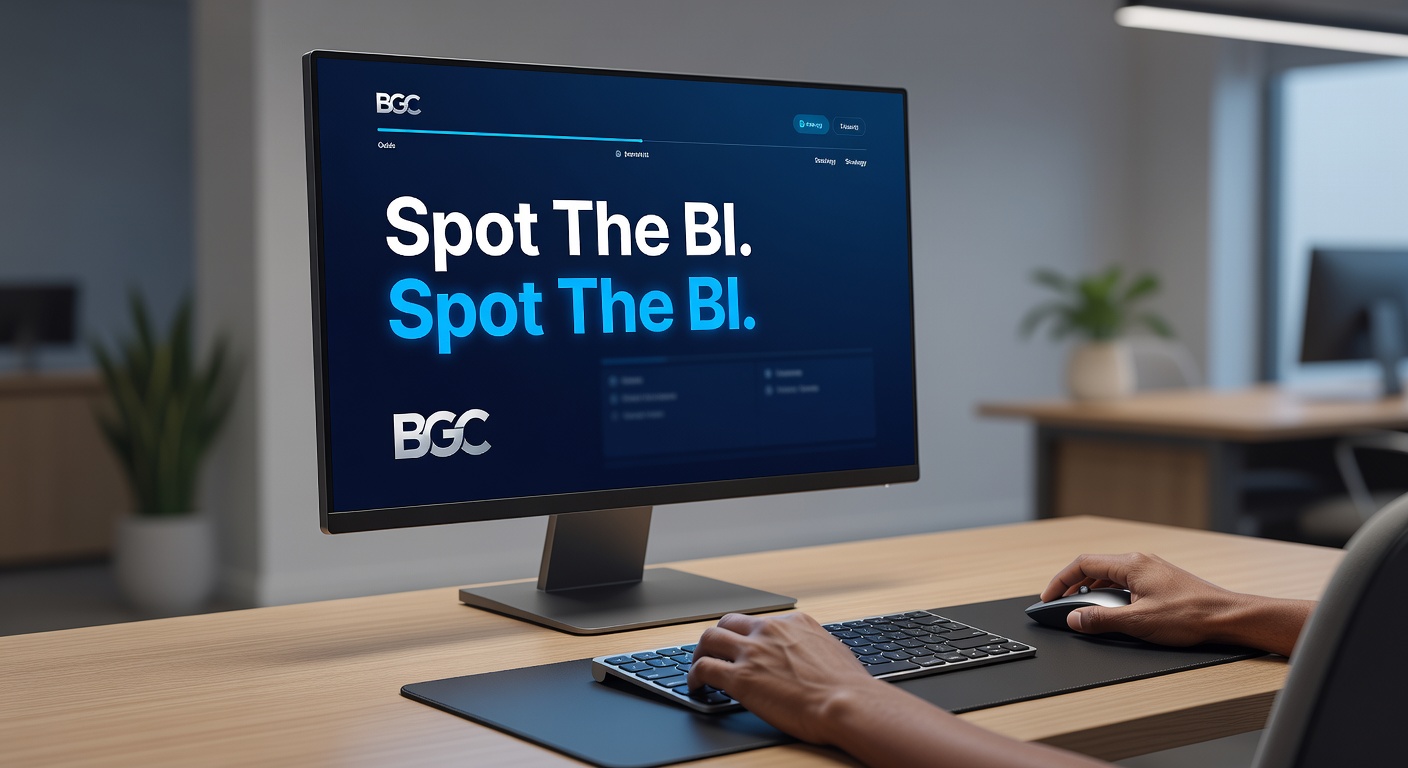
On March 10, 2026, the Betting and Gaming Council (BGC) in the UK rolled out an interactive online quiz named “Spot The Black Market,” designed specifically to equip consumers with tools to detect unregulated and illegal gambling websites; through a series of mock screenshots, participants learn to spot critical warning signs like the absence of a visible UK Gambling Commission licence number, which legitimate operators must display prominently.
What's interesting here is how this initiative directly confronts black market operators who mimic trusted platforms, creating confusion that endangers players; the BGC emphasized that these sites skirt player protection rules entirely, leaving users vulnerable to issues like unfair games, sudden account closures, or worse, financial losses without recourse.
Observers note the quiz's timing aligns with heightened scrutiny on the UK gambling sector, where consumer safety remains a top priority amid reports of surging illegal activity; take one scenario presented in the quiz, where a site looks polished but hides no licence details, prompting users to question its legitimacy right away.
How the Quiz Works: Spotting the Fakes
Participants dive into realistic mock-ups of gambling websites, tasked with identifying red flags such as missing licence info, unusual payment methods, or promises of guaranteed wins that scream trouble; the interactive format turns education into a game, complete with instant feedback explaining why certain elements signal danger, so users walk away sharper at recognizing threats.
But here's the thing: black market sites often copy the aesthetics of licensed operators down to the logos and layouts, yet they fail on basics like transparent terms or responsible gambling tools; experts who've tested similar educational tools report high engagement rates, as people absorb lessons better through hands-on challenges rather than dry reading.
And while the quiz focuses on visual cues, it underscores broader mechanics, like how unregulated platforms dodge taxes and protections, putting everyone at risk; one example highlighted involves bonus offers that vanish without trace, a common ploy that legitimate sites avoid under strict regulations.
Those who've previewed the quiz describe it as straightforward yet eye-opening, with levels building from simple misses to sophisticated fakes that fool even cautious players; data from past BGC campaigns suggests such targeted awareness boosts reporting of suspect sites by up to 30%, although specific metrics for this launch await collection.
Black Market Realities Fueling the Push
The BGC's move comes against a backdrop of escalating concerns, including a recent commissioned report revealing £5.7 billion staked on UK black market gambling, figures that paint a stark picture of activity thriving in the shadows; unregulated operators exploit gaps, offering odds or bonuses that licensed sites can't match legally, yet they deliver none of the safeguards like age verification or self-exclusion programs.
Turns out, these platforms pose risks beyond money, with studies linking illegal gambling to higher addiction rates since protections like deposit limits or reality checks simply don't exist; the BGC points out that spotting the black market isn't just about licences but also erratic customer service, hidden fees, and games rigged against players from the start.
People often stumble into these traps via social media ads or word-of-mouth tips that bypass official channels, which is why the quiz stresses vigilance across digital touchpoints; researchers who've tracked player complaints find patterns, such as withdrawals delayed indefinitely or accounts frozen without explanation, hallmarks of operations outside UK oversight.
Now, with the quiz live, the BGC aims to shift behavior proactively, encouraging users to verify sites via the Gambling Commission's public register before depositing a penny; it's not rocket science, but in a crowded online space, that extra step makes all the difference.
Player Protection at the Core
Central to the campaign is the stark contrast between regulated and rogue sites: licensed operators fund research into problem gambling, contribute to treatment funds, and enforce strict advertising rules, whereas black market players contribute nothing while siphoning revenue; the quiz hammers this home with side-by-side comparisons, showing how a missing licence number cascades into broader vulnerabilities.
Yet the initiative extends beyond identification, urging reports to authorities when suspicions arise, which has proven effective in past crackdowns; for instance, similar awareness drives led to site takedowns and arrests, as tip-offs from informed users provide the intel needed for enforcement.
Experts observe that March 2026 marks a pivotal moment, with regulatory pressures mounting on tech firms to curb illegal ads, complementing efforts like this quiz; those in the sector who've followed BGC actions note a pattern of innovative outreach, from ads to tools, all circling back to empowering consumers directly.
So while the black market persists, fueled by tech-savvy operators and easy anonymity, resources like “Spot The Black Market” equip everyday players to fight back, one quiz at a time.
Broader Implications for UK Gambling
The launch underscores ongoing tensions in the UK market, where licensed operators face stiff competition from untaxed rivals, yet must uphold standards that protect vulnerable groups; according to BGC statements, illegal sites erode trust across the board, making it harder for everyone when players sour on gambling after bad experiences.
What's significant is the focus on mimicry tactics, as black market sites replicate not just designs but promotions to lure traffic; participants in teh quiz practice dissecting these, learning that even flashy interfaces hide voids in accountability.
And as digital gambling evolves with mobile apps and crypto payments, warning signs adapt too, like unverified wallets or offshore domains; the BGC's approach ensures the quiz stays relevant, with potential updates based on emerging threats.
Observers who've studied market dynamics point out that consumer education correlates with fewer incidents, as empowered users demand better from all operators; it's a cycle where awareness drives compliance, benefiting the entire ecosystem.
Conclusion
The “Spot The Black Market” quiz stands as a timely weapon in the battle against illegal gambling, launched by the BGC on March 10, 2026, to arm UK consumers with practical detection skills via interactive mock-ups and clear risk breakdowns; by highlighting absences like UK Gambling Commission licences and other tells, it addresses the mimicry plaguing the sector head-on.
In a landscape where £5.7 billion flows through shadows, this tool promotes safer choices, bolstering protections that unregulated sites ignore entirely; those engaging with it gain not just knowledge but confidence, turning potential victims into vigilant participants.
Ultimately, as enforcement and education intertwine, initiatives like this signal a proactive stance, where spotting the fakes becomes second nature for players navigating the online gambling world.