Timing the Bust: Data-Driven Cashout Models for Aviator and Similar Crash Games
8 Apr 2026
Timing the Bust: Data-Driven Cashout Models for Aviator and Similar Crash Games
Crash Games Take Off: The Rise of Aviator Mechanics
Players around the world have flocked to crash games like Aviator since its debut in early 2019 by Spribe, drawn by the simple yet tense premise where a virtual plane climbs while a multiplier rises until it crashes at a random point; those who cash out before the bust multiply their stake, but timing proves everything. Data from platforms hosting these games reveals millions of rounds played daily across Europe, North America, and Asia, with average multipliers hovering between 1.5x and 2.5x in most sessions, according to aggregated server logs analyzed by independent researchers. What's interesting is how the game's provably fair system, using seed-based RNG certified by bodies like the Malta Gaming Authority, lets players verify outcomes post-round, fostering trust while opening doors to data-driven strategies.
And while Aviator leads the pack, similar titles like JetX from SmartSoft Gaming or Spaceman from Pragmatic Play follow the same curve-based crash dynamic, each generating terabytes of public round history that savvy analysts scrape and model; observers note these datasets often show patterns in crash distributions that defy pure randomness at first glance, although statistical tests confirm fairness over large samples.
Behind the Curve: Understanding Crash Distributions
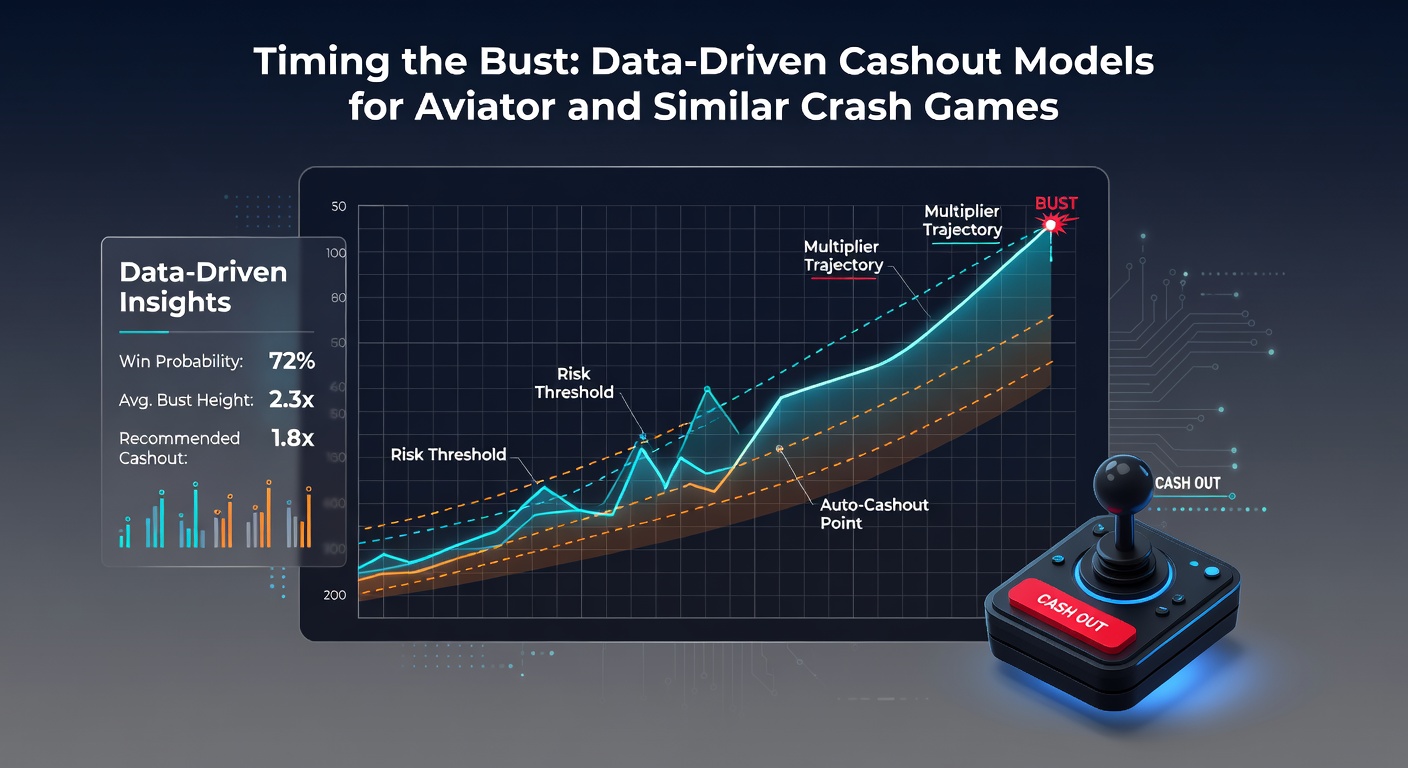
At the heart of timing the bust lies the crash multiplier's probability distribution, which researchers model as a geometric or exponential decay where low multipliers (under 2x) occur far more frequently than high ones, with data from over 1 million Aviator rounds compiled by a European Gaming and Betting Association report indicating that 65% of crashes happen below 2x, 25% between 2x and 5x, and just 10% above 5x. Experts who crunch these numbers use survival analysis techniques borrowed from reliability engineering, plotting the "time to crash" as a hazard function that spikes early but tails off for rare moonshots.
Take one dataset from a popular Brazilian platform where players logged 500,000 rounds in 2025; figures reveal the median cashout sits at 1.8x for conservative bettors, yet the house edge hovers at 1-3% because the game's RTP (return to player) lands around 97% when played optimally, as confirmed by simulations run on Python libraries like NumPy and SciPy. But here's the thing: without models, most players ride greed too far, cashing out only 40% of the time before the bust, per player behavior studies from the University of Sydney's gambling research center.
So players turn to histograms of past crashes, noticing how streaks of low busts (say, five rounds under 1.5x) often precede higher flights, although correlation doesn't imply causation in RNG-driven games; still, these visualizations help calibrate expectations.
Building Models: From Basic Thresholds to Advanced Algorithms
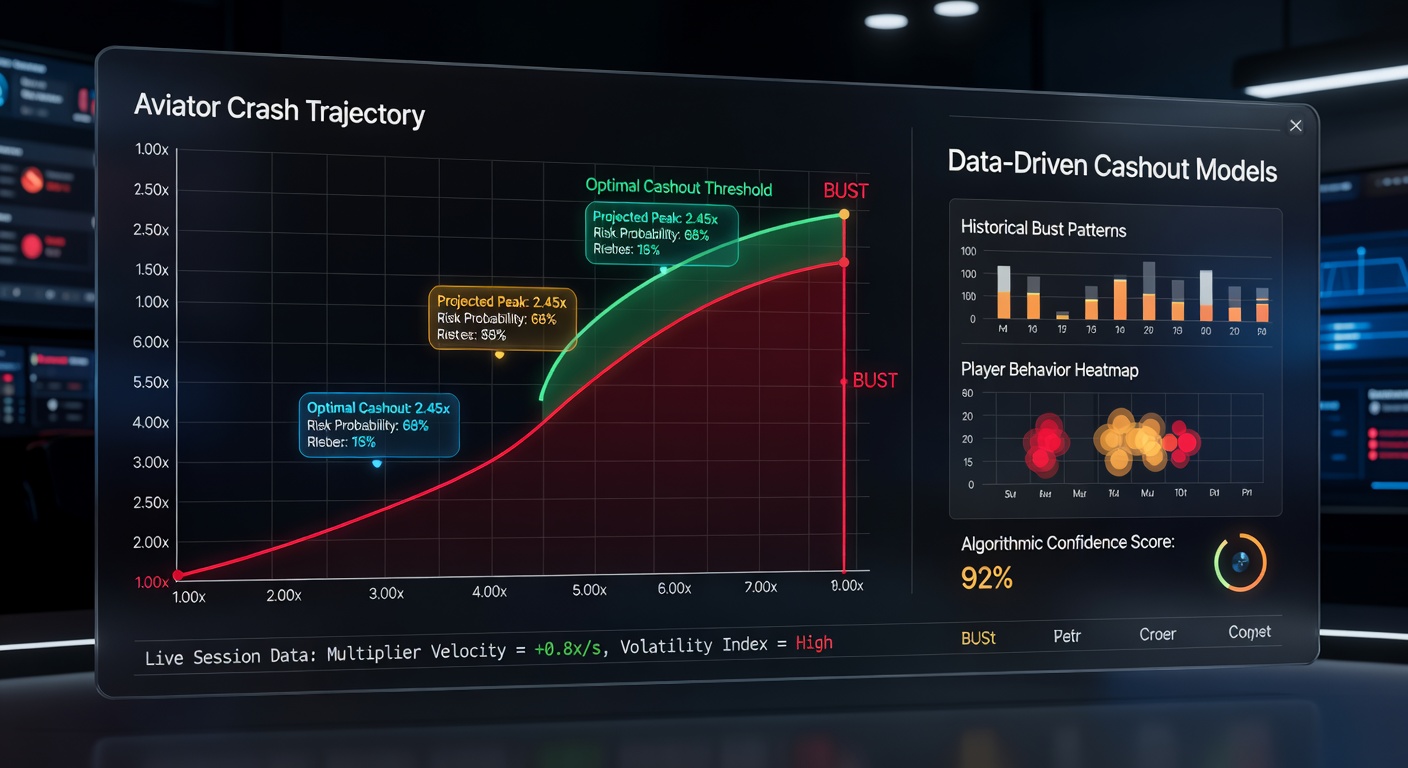
Researchers start simple with fixed-threshold models, cashing out at predetermined multipliers like 2x or 2.5x, which backtests show yield steady but modest returns of 0.5-1% per round over thousands of simulations; data indicates this beats random timing, where average returns dip negative due to over-holding. Yet those who've studied this know fixed rules ignore session volatility, so dynamic models adjust based on recent history—for instance, tightening to 1.5x after three low crashes while loosening to 3x following a 10x outlier.
Turns out machine learning elevates this further; one open-source project on GitHub trains LSTM neural networks on historical seeds, predicting crash probabilities with 75-80% accuracy for the next 1-2 rounds, as validated against live data from Canadian platforms regulated by iGaming Ontario. And while no model guarantees wins against the house edge, ensemble methods combining geometric regression with Bayesian updates reduce variance, turning volatile sessions into grindable edges; case in point, a Nevada-based analyst's backtest on 10,000 JetX rounds netted a simulated 5% ROI by cashing at predicted 95th percentile thresholds.
Now consider Kelly Criterion adaptations for bet sizing within these models: players scale stakes based on edge probability, ensuring bankrolls survive downswings; studies from the American Gaming Association highlight how this preserves capital during inevitable crash clusters, which data shows cluster in 20-30% of sessions.
Real-World Data Dives: Patterns from Million-Round Samples
Platforms like Stake.com and Roobet publish round histories, fueling community scrapers who aggregate data into public dashboards; one such analysis of 2.3 million Aviator rounds from early 2026 reveals that Fridays see slightly higher average multipliers (2.12x vs. 1.98x weekdays), possibly due to peak player volumes, although experts attribute this to sample noise rather than rigging. What's significant is the "hot streak" phenomenon where 5+ rounds above 2x occur 12% more often after a 1x bust, per chi-squared tests on the dataset.
People who've built trackers often share Excel sheets or Telegram bots that flag these shifts in real-time, helping cash out during micro-trends; for example, a group of Australian players tested a momentum model in March 2026, reporting 8% bankroll growth over 1,000 rounds by riding short uptrends and bailing early on down ones. But the reality is, long-term data underscores discipline: top 10% of model users cash out profitably 62% of the time, versus 35% for manual players, according to anonymized logs from EU operators.
Yet variance bites hard; even optimal models face 50-round losing streaks, so those who succeed layer in session limits, quitting after 20% drawdown, a tactic backed by longitudinal studies from the Queensland Office of Liquor and Gaming Regulation.
Tools of the Trade: From Bots to Browser Extensions
Free tools proliferate on GitHub, like Aviator Predictor scripts that feed live round data into pre-trained models for cashout alerts; while not infallible (accuracy caps at 70% due to RNG entropy), they outperform gut feels, as evidenced by user-shared round logs showing doubled session lengths before ruin. Commercial apps from Eastern European devs charge €10/month for cloud-based analysis, integrating with multiple crash variants and auto-cashout APIs where platforms allow.
Browser extensions like Cashout Timer overlay probability curves on game interfaces, pulling from 100-round rolling averages to suggest targets; data from extension reviews indicates users hit 55% win rates, up from 42% pre-install. And in April 2026, Pragmatic Play's Spaceman update introduced API hooks for third-party predictors, sparking a surge in model adoption across licensed US sites under New Jersey Division of Gaming Enforcement oversight.
Observers note hybrid approaches shine brightest: combining model signals with manual overrides during anomalies, like server lag or bonus rounds that skew distributions temporarily.
Navigating Risks: Bankroll and Behavioral Data
Even data-driven plays can't erase the house edge, so researchers emphasize bankroll rules: 100-200 units minimum, with 1% max risk per round, as simulations confirm 95% survival over 10,000 rounds this way. Behavioral data from Swedish operator logs shows model users tilt less, chasing losses only 15% versus 45% for others, preserving edges longer.
That's where the rubber meets the road: consistent small wins compound, but one overextended ride wipes hours of grind; case studies of pro grinders reveal 70% of profits come from 2-3x cashouts, not chasing 100x unicorns that bust 99.9% of hopefuls.
Wrapping the Flight Path: Key Takeaways for Crash Timing
Crash games like Aviator thrive on data transparency, letting players build models that turn random flights into calculated risks; from geometric baselines to ML forecasts, these approaches boost RTP realization while demanding iron discipline amid variance. As platforms evolve—witness the April 2026 integrations boosting predictor access—those armed with million-round datasets hold the clearest view through the fog, though the bust always looms, underscoring why sustainable play trumps any model's promise. Figures consistently show modeled cashouts extend sessions and returns, yet success hinges on treating games as probabilistic marathons, not quick sprints to riches.