Satellite Grind Strategies: Punching Tickets to Major Poker Events on a Shoestring
6 Apr 2026
Satellite Grind Strategies: Punching Tickets to Major Poker Events on a Shoestring
What Satellites Offer Ambitious Players
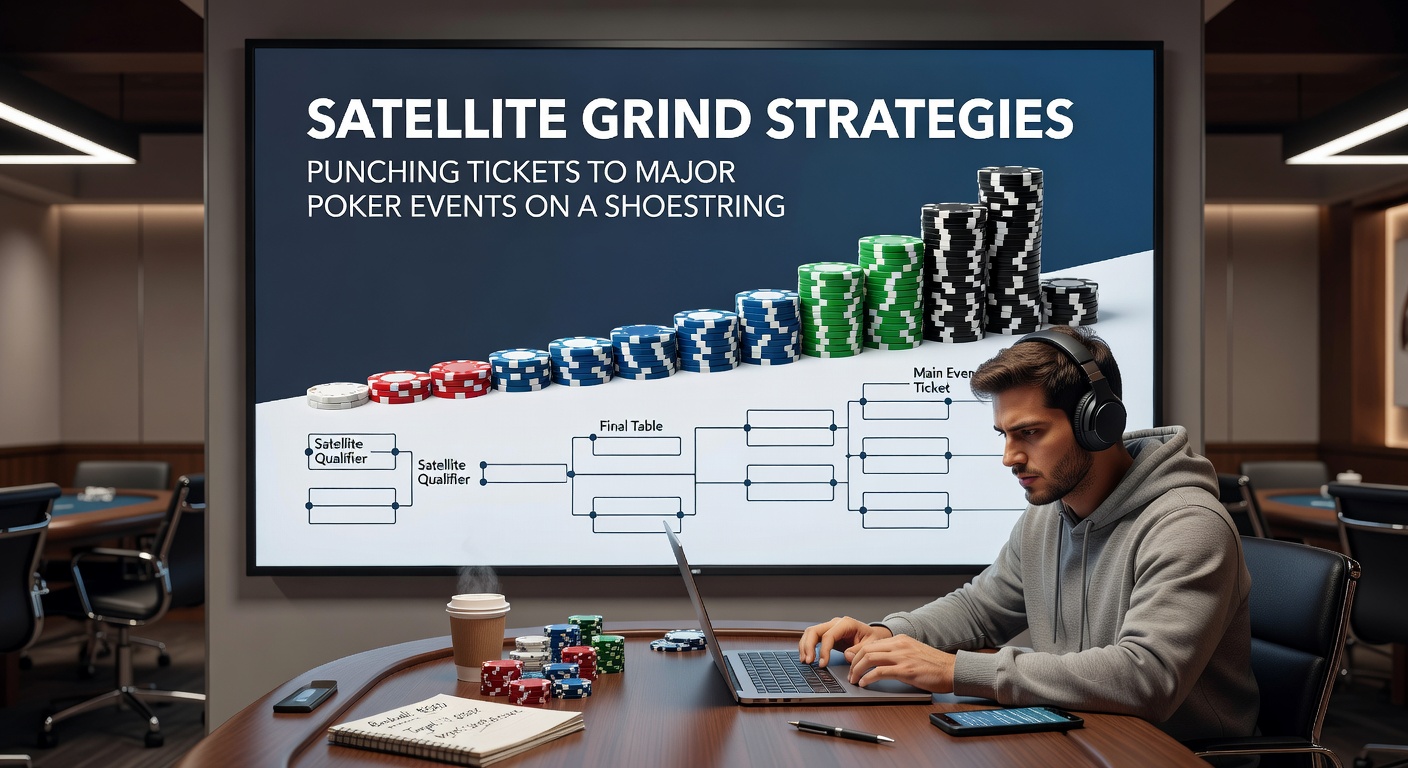
Satellites stand out in poker as low-entry tournaments where entrants risk small buy-ins, often $10 to $200, for chances to win seats worth thousands into flagship events like the WSOP Main Event or EPT Monte Carlo; data from major sites reveals thousands qualify annually this way, turning modest stacks into life-changing opportunities without upfront fortunes. Players spot these as the ultimate leverage play, since a $100 buy-in might snag a $10,000 package, and that's where the grind begins.
Turns out, online platforms host hundreds daily, from PokerStars mega-satellites feeding WSOP circuits to partypoker feeders for Irish Opens, while live venues like the Venetian in Las Vegas run daily qualifiers packing rooms; figures from the Nevada Gaming Control Board show satellite fields swelling during series, with prize pools structured around direct seats, cash alternatives, or travel add-ons. Experts track how these formats evolved since the 1980s WSOP intro, now a staple because they democratize access, although success hinges on volume over single-shot heroics.
Building a Shoestring Bankroll for the Long Haul
Grinders start with $500 to $2,000, allocating 1-2% per satellite to weather variance; research from poker tracking software like Hold'em Manager indicates pros hit 20-30% ROI over 1,000+ games by sticking to this, since downswings hit hard but recoveries come through disciplined sizing. And they diversify, mixing $5 online micros with $50 live steps, because layering entries spreads risk while chasing overlays—those spots where prize pool exceeds total buy-ins, a common edge in softer fields.
What's interesting lies in promo hunts; sites offer freerolls or depositor specials, and data shows players snagging 10-20% of seats via zero-risk paths before scaling up, although converting those requires sharp play. Those who've mastered this note bankroll jumps happen fastest by reinvesting wins immediately, turning a $1,000 roll into qualifiers for majors within months, but only if they log sessions religiously to spot leaks.
Tracking Tools and Metrics That Matter
- ROI calculation: (Net Profit / Total Buy-ins) x 100, targeting 15%+ for sustainability.
- ITM rate: Aim for 25-35% in single-entry satellites, higher in turbos via aggression.
- Volume benchmarks: 50-100 weekly, multi-tabling up to 12 screens for efficiency.
Software dashboards reveal these patterns clearly, helping adjust as fields tighten during peak seasons like WSOP prep.
Core Strategies That Punch Tickets
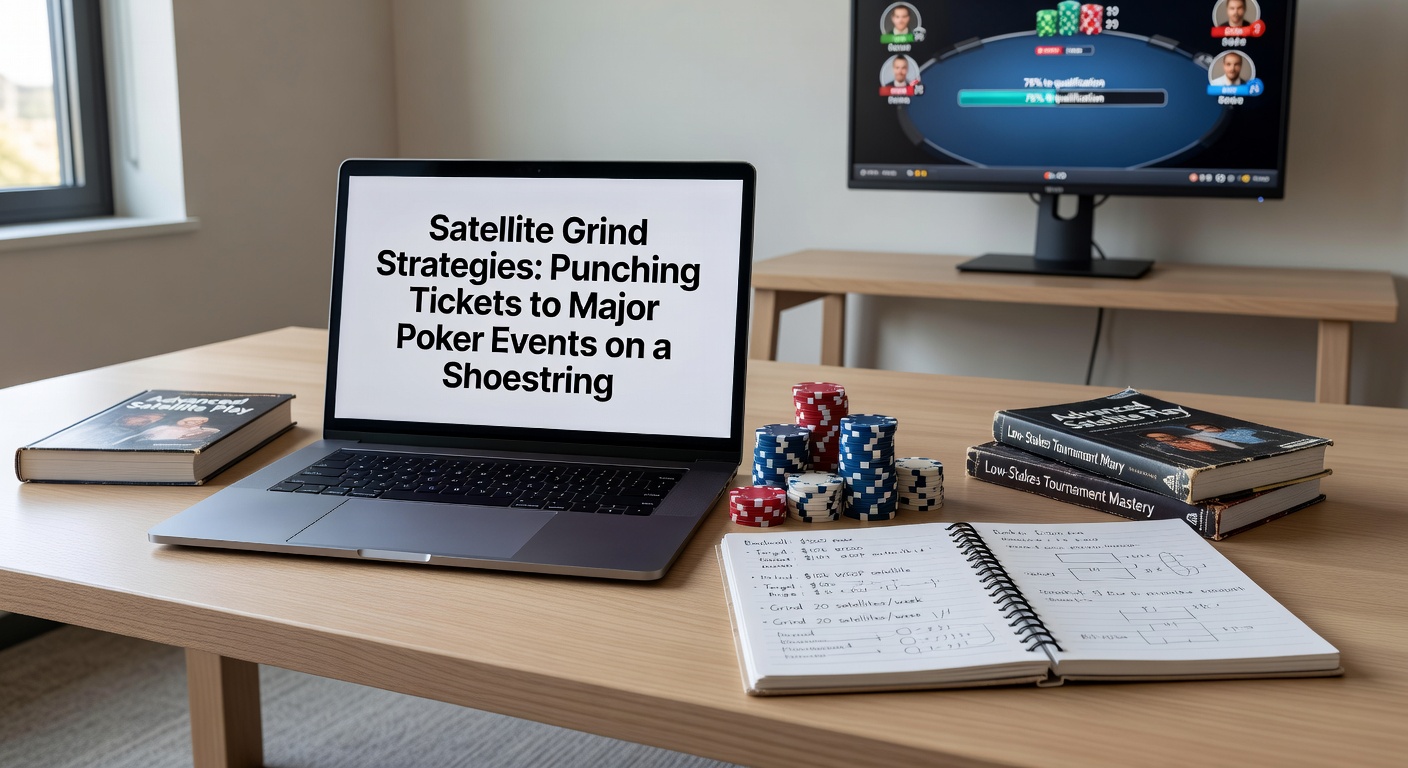
Early stages demand tight-aggressive play, shoving premium hands from late position while folding marginals, because deep stacks favor patience; studies from university poker labs, like those at the University of Alberta's poker AI research, confirm survival rates double when players avoid speculative calls pre-bubble. But here's the thing—mid-game shifts to position exploitation ramp up, with limpers folding to 3-bets often, creating fold equity goldmines that propel short stacks forward.
Bubble play defines winners; ICM (Independent Chip Model) tools show pushing 15-20BB stacks wide against tight opponents yields 40%+ win rates in final tables, since covers prioritize survival over chips. Observers note how pros like Daniel Negreanu advocate "bubble bullying" in satellites, shoving 40% of hands from cutoff when leading, a tactic backed by solver outputs simulating millions of spots. And turbos crank this urgency, with blinds flying every 3-5 minutes, forcing all-in or fold math that rewards math-savvy grinders.
Multi-tabling unlocks volume, but HUDs (Heads-Up Displays) prove essential; data indicates top grinders maintain 1.5:1 profit-to-buy-in ratios by noting villain stats like fold-to-steal (target 70%+ for exploits). Yet live satellites differ, relying on physical reads—table talk flushes weak players, while dealer chit-chat reveals tilt—although online anonymity levels fields for disciplined volume players.
Overlay Hunting and Site Selection
Scanners flag under-subscribed satellites, where entries lag guarantees; PokerStars logs show 5-10% overlays nightly on midweek feeders, and jumping those boosts effective ROI by 20-30%. Players cross-check schedules across GG Poker, 888poker, and ACR for best value, since regional regs like Australia's interactive gambling act enforcement shapes softer fields down under.
Live vs. Online: Where Grinds Thrive
Online dominates for sheer volume—up to 200 tables daily feasible—while live offers intangibles like hotel comps for winners; WSOP circuit data lists over 500 live qualifiers yearly at host casinos, with April 2026 ramps already announced for preliminary satellites feeding the summer Main Event series. Those events draw 1,000+ entrants per flight, dishing $1,500 seats amid Vegas buzz, and grinders camp out, chaining $75 supersats into packages complete with flights and stays.
Case in point: A Canadian grinder chronicled on forums turned $800 into a 2023 WSOP seat via 40 online satellites, hitting 28% ITM by turbo specialization; similar paths repeat, with EPT Barcelona satellites yielding €5,300 seats from €22 buy-ins, as tracked by tournament databases. But live demands travel bankrolls, so hybrids work best—online qualifiers for locals, flights only post-win.
Downswings test resolve; variance models predict 20-buy-in skids even at 25% ROI, so mental game tools like journaling or breaks keep grinders sharp, with pros logging 60-hour weeks during peaks but scaling back to avoid burnout.
Advanced Edges: Solvers, Spots, and Scaling
Solvers like PioSolver dissect post-flop plays, revealing +EV lines in 4-bet pots that casuals misplay; data from high-stakes trackers shows satellite pros adopting these gain 5-10% edges over field averages. And final table dynamics shift to payout maximization—trading chips for seats when odds favor it, a nuance ICM calculators quantify precisely.
Freeroll satellites seed bankrolls, with sites like partypoker running daily $10k GTDs open to all; converting those to paid entries snowballs rolls, and seasonal promos like WSOP online bracelets add cash hybrids for extra juice. Grinders who ladder steps—$11 to $55 to $215—compound edges, hitting majors with minimal personal risk, since each step filters fields progressively.
Team grinds emerge too, pooling buy-ins for shared seats; private Discord groups coordinate, splitting $10k wins from $200 collective risks, although tax implications vary by jurisdiction like Canada's CRA rules on gambling wins.
Conclusion
Satellite grinds deliver proven paths to majors for those wielding shoestring rolls strategically, blending volume, ICM mastery, and overlay hunts into repeatable edges; data underscores thousands punching tickets yearly, from online micros to live Vegas marathons, with April 2026 WSOP feeders already lighting schedules. Players who track metrics, exploit bubbles, and persist through variance position themselves best, turning poker dreams into dealt hands without breaking banks. The math favors the grinder; now fields await the next wave.