7 Aug 2026
RNG Seeds and Reel Dynamics: Mapping Alignment in Digital Slot Machines
Core Mechanics of Pseudorandom Generation
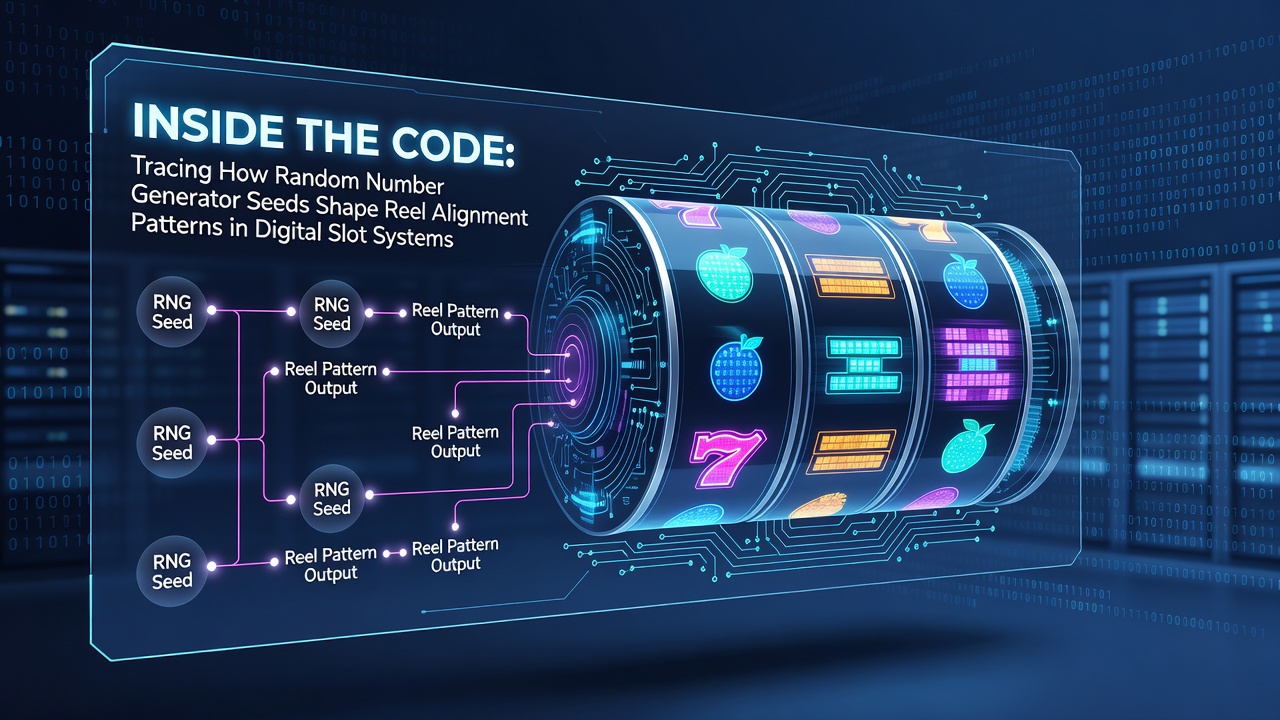
Digital slot systems rely on pseudorandom number generators that produce sequences of values determining symbol positions on virtual reels, and these sequences originate from an initial seed value that initializes the algorithm at the start of each spin cycle. Researchers at institutions studying computational randomness have documented how even minor variations in seed selection create entirely different outcome streams because the underlying mathematical functions map seeds to deterministic yet unpredictable number chains. Data from testing laboratories indicate that most commercial platforms employ linear congruential generators or Mersenne Twister variants, each requiring a seed drawn from system entropy sources such as hardware clocks or thermal noise readings.
Once the seed enters the generator, the algorithm advances through iterative calculations that yield the next number in the sequence, and operators record these outputs as reel stop positions measured in reel stops or symbol indices. Observers note that reel alignment patterns emerge directly from consecutive outputs because adjacent reel symbols correspond to consecutive or offset values within the generated stream. Studies published in peer-reviewed computing journals show that seed reuse across sessions produces repeating alignment sequences when the generator state resets identically, although regulatory frameworks in multiple jurisdictions prohibit such reuse through mandatory reseeding protocols.
Seed Sources and Their Impact on Patterns
Hardware-based entropy collectors supply seeds to slot platforms, drawing from physical phenomena including keyboard timings, disk access latencies, and network packet arrival intervals, while software-based collectors supplement these with cryptographic hash outputs. Analysts at the Nevada Gaming Control Board have examined seed quality metrics and found that insufficient entropy leads to shorter effective periods before sequence repetition occurs, which in turn influences the statistical distribution of reel alignments across large sample sizes. Figures from independent audits reveal that modern platforms refresh seeds multiple times per second during active play, ensuring that each spin begins from a unique starting point within the generator cycle.
Reel alignment occurs when the numbers assigned to each reel column produce symbol combinations that land on specific paylines, and the seed determines the exact offset applied to every reel at the moment of spin initiation. Those who have reviewed source code from certified gaming systems observe that weighted reel strips map numerical ranges to symbols, so a seed that lands within a high-paying symbol range increases alignment frequency for those symbols during the resulting sequence. Reports from the Australian Communications and Media Authority detail how testing protocols verify that seed-driven outputs maintain return-to-player percentages within approved tolerances despite the deterministic nature of the underlying mathematics.
Tracing Alignment Through Code Execution
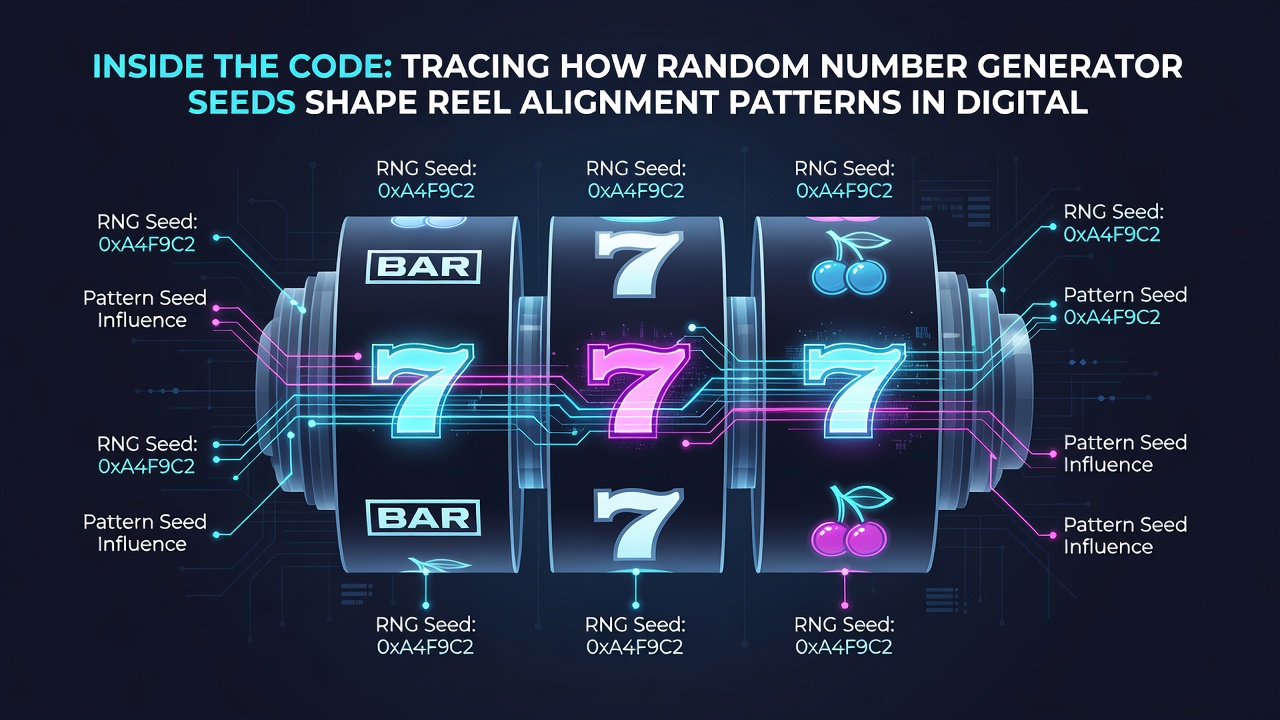
Developers implement mapping tables that convert generator outputs into reel stop commands, and these tables translate raw numbers into physical reel positions measured from a reference point on each virtual strip. Experts who analyze execution logs note that a single seed produces a fixed chain of reel alignments for a predetermined number of spins until the next reseed event interrupts the sequence. In August 2026 several certification bodies introduced updated entropy validation suites that require platforms to demonstrate seed diversity across simulated high-volume play sessions exceeding one million spins.
Pattern tracing involves logging seed values alongside corresponding reel outcomes, which allows technicians to reconstruct how particular seeds correlate with clustered symbols or scattered bonus triggers. Research teams at technical universities have published algorithms that reverse-engineer seed values from observed alignments when the generator structure is known, highlighting the importance of protecting seed generation processes from external observation. Industry groups such as the European Gaming and Betting Association have compiled guidelines requiring operators to isolate seed handling within secure modules that undergo periodic third-party inspection.
Regulatory Testing and Statistical Verification
Certification laboratories subject RNG implementations to chi-square tests, serial correlation analysis, and period length verification to confirm that seed-initiated sequences exhibit no detectable bias in reel alignment distributions. Data collected across thousands of certified titles demonstrate that properly seeded generators produce alignment frequencies matching theoretical probabilities derived from reel strip compositions. Platforms operating under oversight from bodies like the New Jersey Division of Gaming Enforcement must submit seed generation logs during audits, enabling regulators to confirm compliance with randomness standards without exposing proprietary algorithm details.
Developers incorporate additional layers such as cryptographic hashing of seeds before they enter the main generator, and these steps further obscure direct relationships between initial entropy sources and final reel positions. Observers tracking platform updates note that recent code revisions have lengthened minimum periods between seed refreshes while maintaining throughput required for real-time play across multiple concurrent sessions.
Conclusion
Seed values serve as the foundational input that shapes every reel alignment pattern produced by digital slot systems, and the deterministic progression from seed through algorithm to symbol positions remains the central mechanism ensuring both unpredictability and regulatory compliance. Continued refinement of entropy collection methods alongside stricter testing protocols supports consistent alignment distributions that meet established standards across global markets.