28 Jun 2026
RNG Algorithms and Regulatory Oversight in Digital Gaming Fairness Protocols
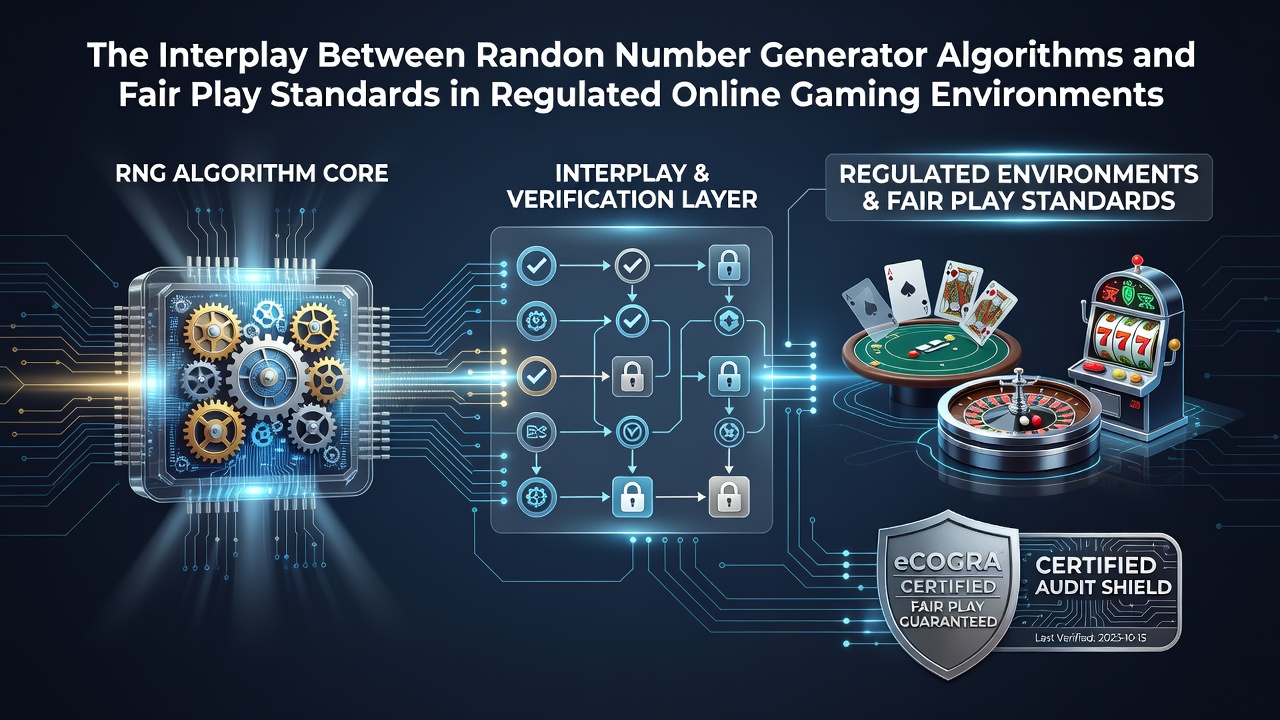
Random number generator algorithms form the backbone of outcome determination in regulated online gaming platforms, where they produce sequences that determine results in slots, card games, and roulette wheels. These systems operate under strict oversight from bodies such as the Nevada Gaming Control Board and the Alcohol and Gaming Commission of Ontario, which mandate specific performance criteria to align algorithmic behavior with established equity benchmarks.
Developments scheduled for June 2026 include coordinated reviews by multiple international regulators aimed at updating technical standards for entropy sources in both pseudorandom and hardware-based generators. Operators must demonstrate compliance through documented test results before any software updates receive approval for deployment.
Core Components of RNG Systems in Gaming Environments
Modern implementations rely on pseudorandom number generators that use mathematical formulas seeded with external inputs like system time or hardware events, while true random number generators draw from physical phenomena such as thermal noise or quantum fluctuations. Data from certification laboratories shows that pseudorandom methods dominate because they offer reproducible audit trails required during compliance inspections.
Regulators require that generated sequences pass statistical suites including the Diehard tests and the NIST randomness battery, which evaluate uniformity, independence, and absence of predictable patterns across millions of iterations. When a generator fails any metric, the platform must halt operations until remediation occurs and fresh validation confirms resolution.
Integration of Fair Play Mandates with Algorithmic Design
Regulatory frameworks translate fairness principles into measurable parameters such as return-to-player percentages and maximum deviation limits that RNG outputs must satisfy over defined sample sizes. The Malta Gaming Authority, for instance, enforces that simulated game cycles match theoretical probabilities within documented tolerances before issuing operational licenses.
Game providers embed these constraints directly into the algorithm architecture, adjusting weighting tables and payout tables so that long-term results align with advertised metrics. Independent verification confirms that no hidden bias exists in the code that could favor the house beyond disclosed house edges.
Certification Pathways and Laboratory Involvement
Third-party testing organizations such as iTech Labs and Gaming Laboratories International conduct evaluations that include source code review, live simulation runs, and ongoing monitoring protocols. Reports issued by these entities detail whether an RNG meets jurisdiction-specific thresholds before regulators grant final sign-off.
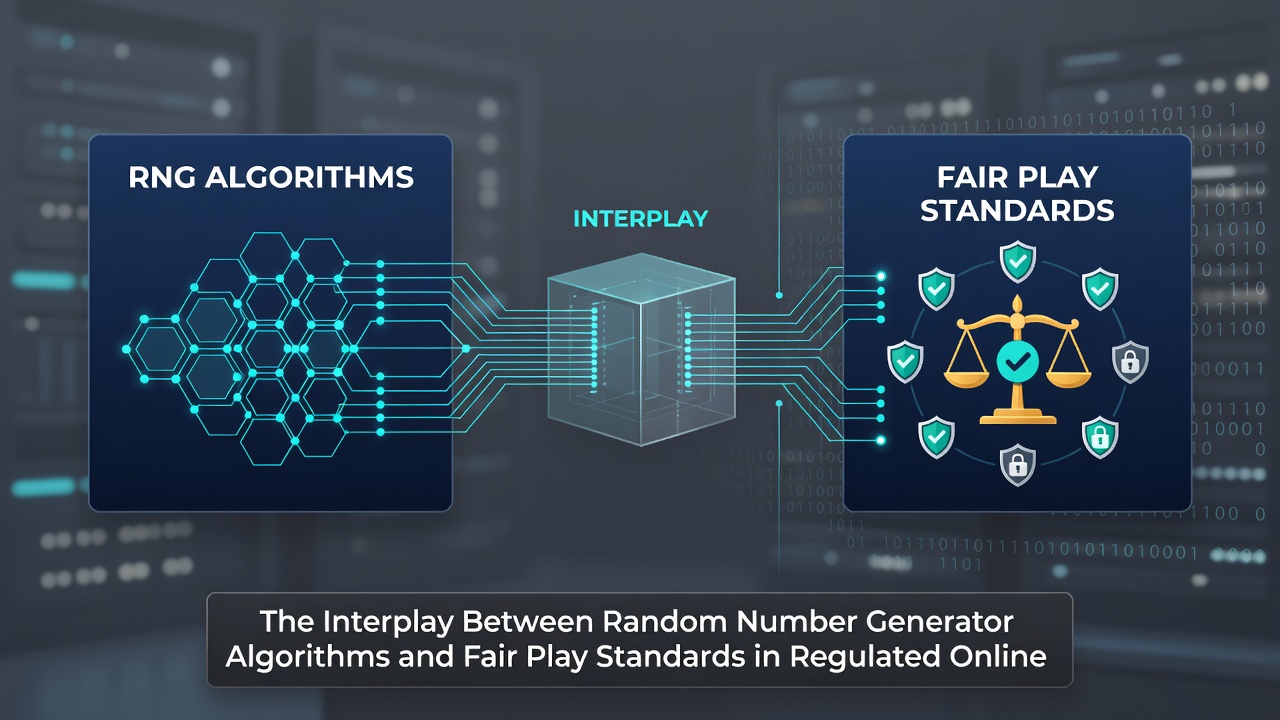
Operators submit updated RNG builds whenever core libraries change or new game titles launch, triggering repeat assessments that examine both the generator itself and its integration wth game logic. This process ensures that modifications do not inadvertently introduce correlations that could compromise outcome independence.
Regional Variations in Technical Standards
North American jurisdictions often emphasize hardware security modules for seed generation, whereas European authorities place greater weight on continuous logging and real-time anomaly detection. The Australian Communications and Media Authority requires annual re-certification cycles that incorporate updated statistical methodologies developed by academic research groups.
Cross-border operators therefore maintain separate RNG configurations for each market, each tuned to satisfy the strictest applicable rule set. Coordination between regulators occurs through organizations like the International Association of Gaming Regulators, which publishes harmonized guidelines that reduce duplication while preserving local control.
Monitoring Mechanisms and Post-Deployment Audits
Regulated platforms transmit anonymized outcome data to oversight portals on scheduled intervals, enabling authorities to run independent statistical checks against expected distributions. Deviations beyond predefined thresholds prompt immediate investigations and potential suspension of affected titles.
Studies published by research institutions such as the University of Nevada, Reno, document how these audit streams have identified subtle implementation errors that escaped initial certification, leading to corrective patches across multiple operators within weeks of detection.
Conclusion
The relationship between random number generator algorithms and fair play standards rests on layered verification that begins at design and continues through live operation. Regulators in diverse jurisdictions maintain distinct yet overlapping requirements that collectively enforce outcome integrity across global markets. As technical standards evolve through scheduled reviews in 2026, operators and laboratories will adapt existing frameworks to incorporate new entropy validation techniques while preserving the core principles of transparency and statistical reliability.