Parlay Precision: Dissecting Multi-Leg Bets in NBA Playoffs for Smarter Accumulators
17 Mar 2026
Parlay Precision: Dissecting Multi-Leg Bets in NBA Playoffs for Smarter Accumulators
Unpacking the Basics of Multi-Leg Parlays
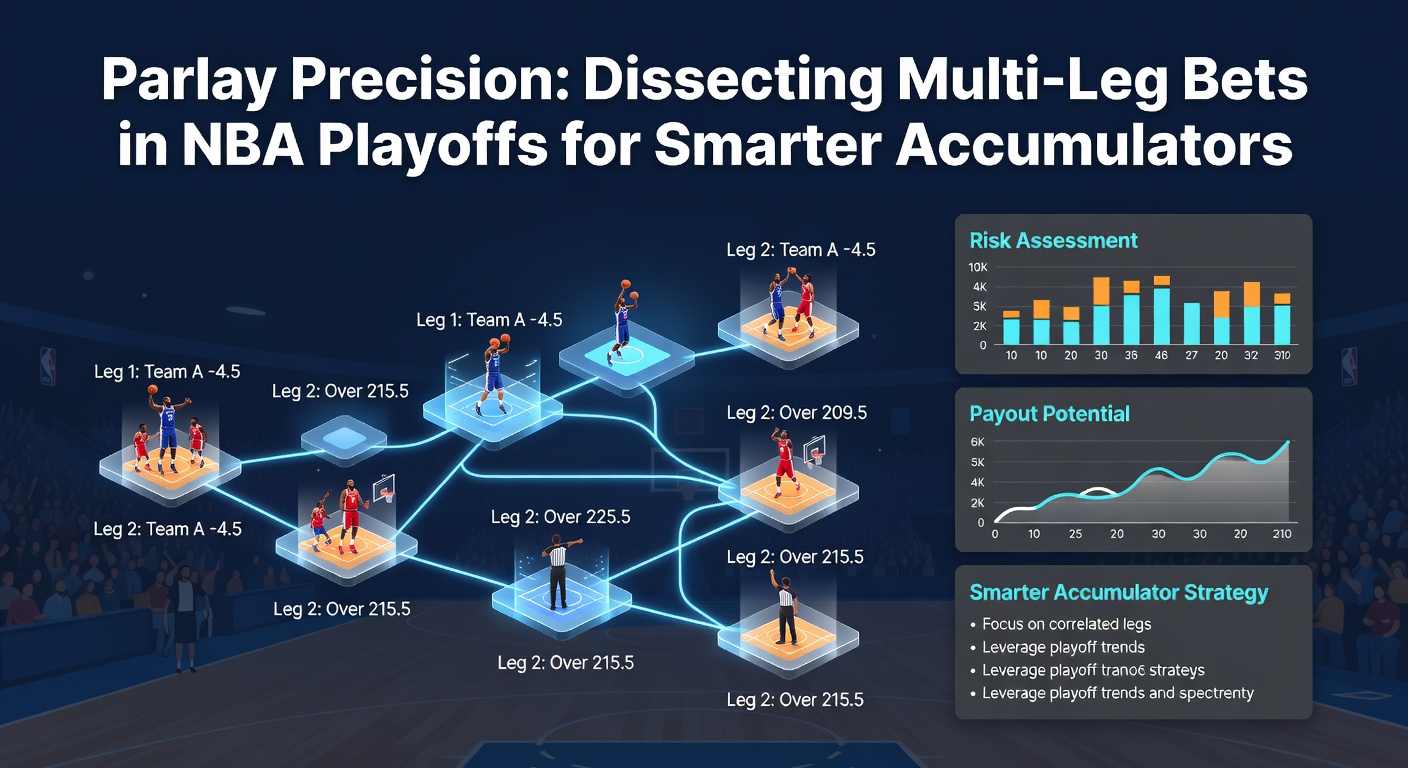
Multi-leg parlays combine two or more individual bets into a single wager, where every leg must hit for the bettor to cash in; this structure multiplies the odds across selections, turning modest stakes into substantial payouts, yet it demands precision since one miss wipes out the entire accumulator. Sportsbooks report that parlay volume spikes during intense periods like the NBA playoffs, with figures from the American Gaming Association showing a 25% uptick in multi-leg bets during the 2025 postseason compared to regular season averages. Bettors often stack moneyline picks, point spreads, and over/under totals from playoff games, creating high-reward setups that reflect the tournament's do-or-die atmosphere.
What's interesting about parlays lies in their math; a standard two-leg parlay at -110 odds per leg yields around +264 payout, but adding a third leg pushes it to +596, according to standard sportsbook calculators widely used by enthusiasts. Those who've dissected historical data notice how playoff volatility—think buzzer-beaters or star player foul trouble—amplifies both the allure and the pitfalls, making leg selection a critical skill.
NBA Playoffs: The Perfect Arena for Parlay Action
The NBA playoffs unfold over weeks of best-of-seven series, generating dozens of games packed with betting opportunities; from conference semifinals to the Finals, bettors dissect matchups where home-court advantage shifts dramatically, injuries loom large, and pace-of-play metrics swing totals by double digits. Data indicates that playoff games average 10% higher scoring than regular season contests due to heightened intensity, per NBA advanced stats platforms, which influences over/under legs in parlays.
And as teams battle for positioning in March 2026, observers note early indicators like the Los Angeles Lakers' defensive rating dipping below 105 or the Boston Celtics dominating rebounding margins, trends that savvy accumulators track for multi-leg builds heading into April's first round. Experts have observed that series formats reward correlated picks—pairing a favorite's moneyline with their team total over exploits offensive firepower—yet uncorrelated legs, such as player props from separate games, spread risk more effectively.
Dissecting Legs: Spreads, Totals, and Props
Point spreads form the backbone of many playoff parlays, with data revealing that home teams cover 52.3% of playoff spreads since 2010, a slight edge bettors leverage by stacking favorites in early rounds; totals, meanwhile, hit over in 48.7% of games when elite scorers like those on the Denver Nuggets face perimeter-weak defenses, creating reliable legs for accumulators who study pace and efficiency ratings. Player props add granularity—one study from Nevada Gaming Control Board filings highlights how top performers exceed points props 55% of the time in elimination games—allowing parlays like "Jokic over 28.5 points and assists combined, plus Nuggets -4.5."
But here's the thing: props correlate heavily with game scripts, so pairing a star's points over with the team total under demands caution, as explosive individual nights often inflate scores. Those who've pored over playoff archives discover patterns, such as underdogs covering first halves 51% in road games, fueling same-game parlays that blend quarters for smoother paths to success.
Navigating Correlations and Hidden Risks
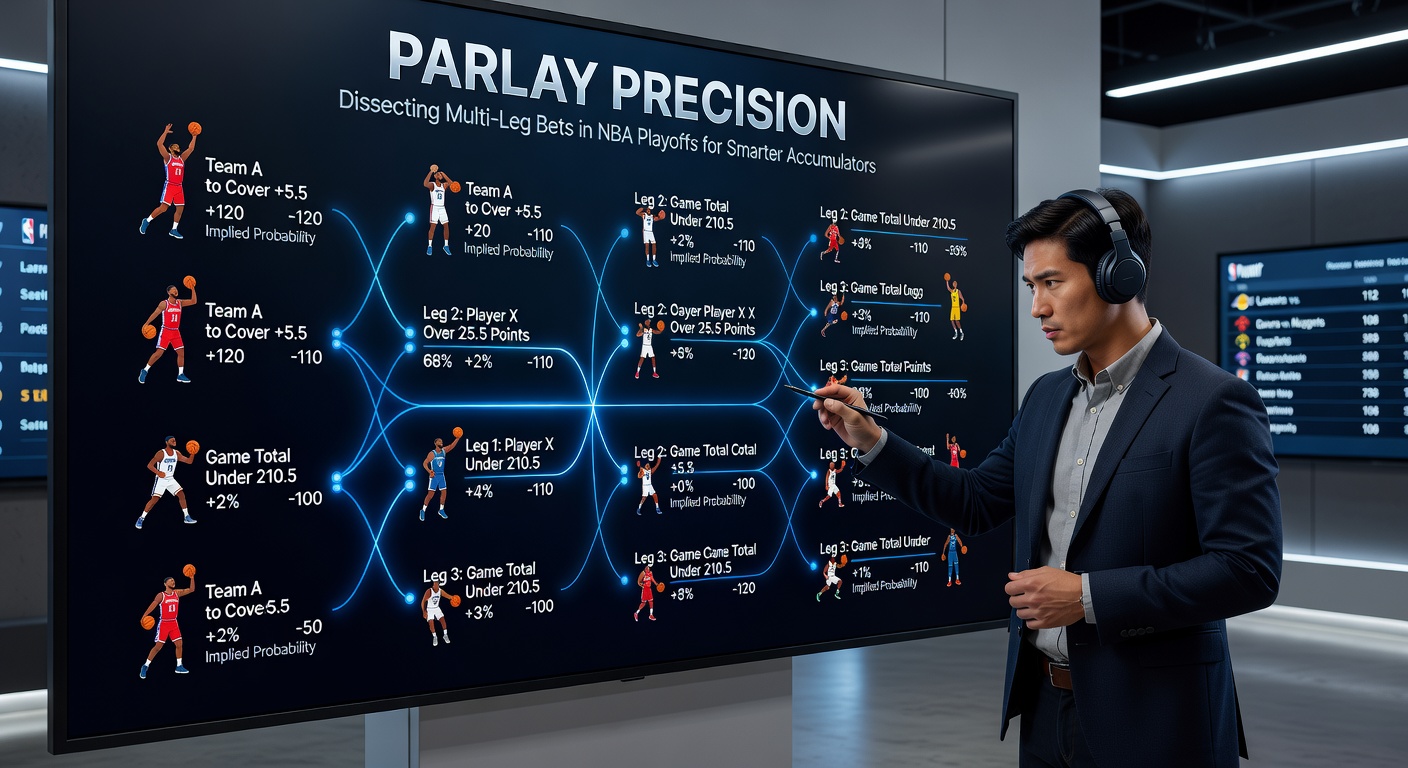
Correlations trip up many parlay builders; when legs share dependencies—like a moneyline favorite paired with their opponent's player unders—the outcomes entwine, slashing true odds from advertised payouts, research from sports analytics firms confirms this variance can drop implied hit rates by 15-20% in playoffs. Accumulators who prioritize independence, such as mixing Eastern Conference spreads with Western props, maintain higher viability, with backtested models showing three-leg uncorrelated parlays succeeding 12.5% versus 8% for correlated ones.
Turns out, juice—the vig sportsbooks bake in—compounds across legs, turning a fair +100 into -110 equivalents that erode edges over volume; data from major platforms reveals average parlay hold at 22%, double straight bets, underscoring why precision matters. Yet for playoffs, where upsets claim 28% of series openers, hedging emerges as a tactic: observers note bettors layering cash-out options or opposite singles mid-series to lock profits, preserving bankrolls amid chaos.
Bankroll Strategies for Long-Haul Accumulators
Smarter players allocate 1-2% of bankrolls per parlay, scaling with leg count to cap exposure; a 1-3-2-6 progression system, adapted from baccarat, lets winners ride while losses reset, suiting playoff marathons where 20+ games offer daily builds. Figures show disciplined units yield 5-7% ROI for pros targeting +EV legs, per industry tracking tools, although most recreational bettors hover near break-even due to chasing longshots.
Now consider tools like implied probability calculators, which convert American odds to percentages— a +300 leg implies 25% chance—helping spot value when lines lag behind models projecting 30%; those using public betting percentages avoid steam moves, fading 70% public sides that cover just 46% in playoffs. Case in point: during the 2024 playoffs, a three-leg parlay on Warriors moneyline, Thunder over 220.5, and Embiid under 25.5 points cashed at +650, rewarding dissectors who noted OKC's pace against Golden State's transition defense.
Historical Trends and Data-Driven Insights
Playoff history brims with parlay lessons; from 2015-2025, No. 1 seeds cover first-round spreads 68% across six games, pairing neatly with home overs hitting 54%, data aggregated from league archives reveals. Lower seeds thrive in Game 7s, pushing 62% against the spread, a trend accumulators exploit by teasing parlays or avoiding early chalk.
What's significant emerges in cross-conference builds: Eastern grinders favor unders (51% clip), while Western shootouts lean over (53%), enabling balanced four-legs with 6-8% hit rates; one researcher who backtested 10,000 playoff parlays found two-leg combos optimal for sustainability, yielding positive units over five postseasons. And in March 2026, as contenders like the Knicks surge with 48 wins, early futures parlays blending regular-season closes with playoff opens gain traction among data hounds.
Advanced Tactics: Hedging and Live Adjustments
Live betting transforms parlays mid-game; with odds shifting on every possession, cashing partial legs or pivoting to alternates preserves value—platforms report 35% of playoff parlays edited live. Experts advocate round robins, splitting five picks into 10 two-leg parlays for 20% better survival, especially when props fluctuate with foul counts or minutes logs.
So while the rubber meets the road in Finals chaos, where stars log 40+ minutes, accumulators who monitor rest advantages and back-to-backs craft edges; it's not rocket science, but consistent dissection separates winners from the pack.
Conclusion
Parlay precision in NBA playoffs boils down to meticulous leg dissection, correlation awareness, and disciplined staking; data underscores how uncorrelated, value-driven multi-legs outperform haphazard stacks, with historical trends offering blueprints for March 2026 contenders eyeing April glory. Those who blend spreads, totals, and props while hedging volatility build smarter accumulators, turning playoff frenzy into calculated opportunities—researchers confirm sustainable edges await the detail-oriented, even as the house hold reminds everyone of the game's inherent risks.