4 Aug 2026
Investigating Correlations Between Play Session Lengths and RNG Seed Cycles in Networked Video Poker Machines

Networked video poker machines operate through centralized systems that manage random number generation across multiple terminals, and observers note how session lengths can align with periods when seed values refresh in these setups. Data from machine logs reveal that RNG processes typically initialize with seed values drawn from hardware sources such as thermal noise or clock timings, after which pseudorandom sequences unfold until the next reseeding event occurs. Researchers have tracked these cycles in facilities where machines connect via local networks, and findings indicate session durations often cluster around specific intervals that coincide with seed updates scheduled by the central server.
Technical Foundations of RNG Operations
Video poker equipment relies on algorithms certified under standards from organizations like Gaming Laboratories International, which evaluate the statistical properties of output sequences generated from initial seeds. In networked configurations the central controller distributes or synchronizes seeds at defined intervals, and this process creates repeating phases that technicians monitor through diagnostic interfaces. Studies from the University of Nevada Reno have examined how seed cycle lengths vary by manufacturer firmware, with some systems refreshing every 24 hours while others trigger updates after a fixed number of game rounds or at predetermined times of day.
Session length data collected from casino management systems show patterns where extended play periods cross multiple seed boundaries, and analysts compare these crossings against payout distribution reports to identify any statistical deviations. Equipment operators record timestamps for both player sessions and seed events, allowing correlation analysis through standard database queries that match start and end times against the RNG log files.
Data Collection and Pattern Analysis Methods
Technicians gather information from networked video poker terminals by extracting play histories that include card draws, bet amounts, and session start times, then align these records with seed cycle markers stored in the backend server. According to reports issued by the Nevada Gaming Control Board, such datasets enable identification of sessions that span complete seed rotations versus those contained within a single cycle. Software tools process these large volumes of records using time-series techniques that highlight clusters where average session duration increases near the end of a seed phase.
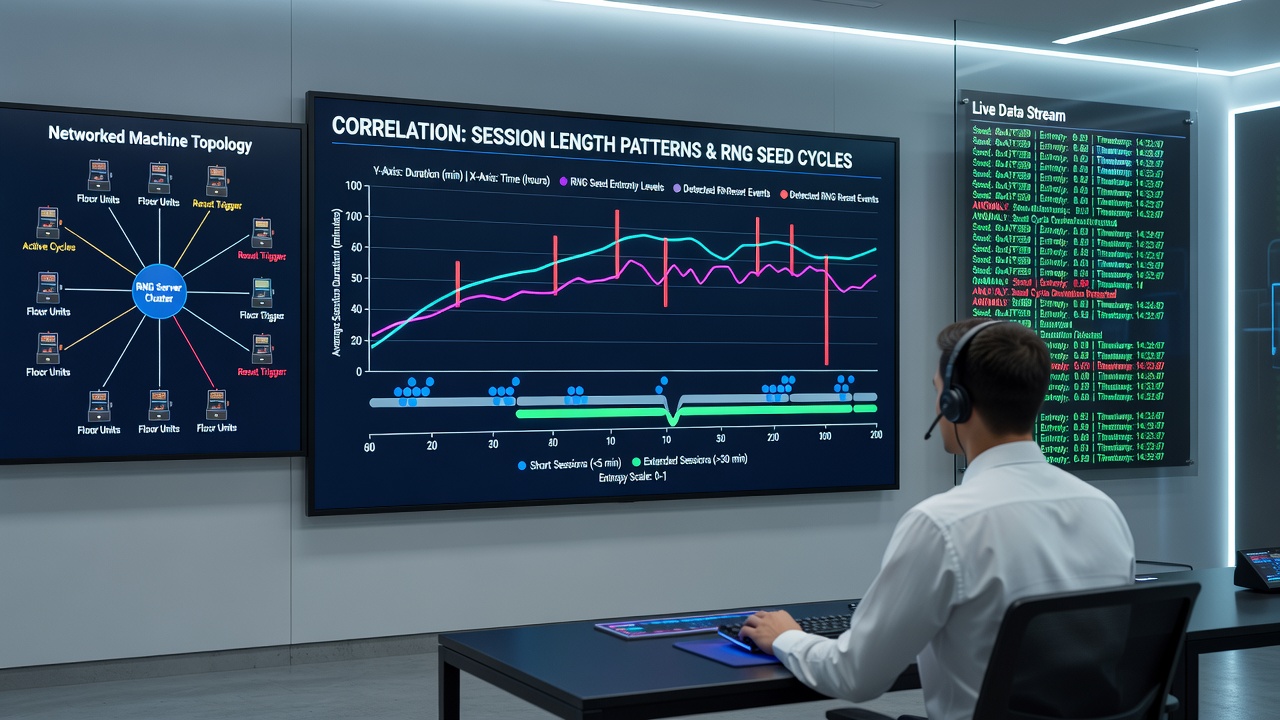
One documented approach involves dividing session records into bins based on elapsed time since the last seed change, after which statistical tests compare win rates and hand frequencies across those bins. Research published in the Journal of Gambling Studies demonstrates that these methods can surface correlations even when overall randomness remains within certified tolerances, because finite seed periods introduce slight dependencies that become measurable over thousands of recorded sessions. Facilities in regions outside the United Kingdom apply similar monitoring protocols, and data compiled through August 2026 continue to feed ongoing reviews of these analytical procedures.
Network Architecture Influences on Cycle Timing
Connected video poker installations transmit seed information or receive updates from a central host at intervals determined by the system configuration, and this architecture affects how long any individual seed remains active across the floor. Engineers design the timing to balance security requirements with performance demands, while logs capture both scheduled refreshes and unscheduled events triggered by power cycles or maintenance activities. Observers have recorded cases where synchronized seed changes across multiple machines produce simultaneous shifts in the underlying random sequences, creating brief windows during which session length data may reflect the transition.
Correlation studies therefore incorporate network latency measurements and server load statistics to isolate genuine cycle effects from operational artifacts. When session records indicate clusters of shorter plays immediately following a seed update, analysts attribute the pattern to the fresh sequence initialization rather than player behavior variations.
Conclusion
Analysis of session length patterns against RNG seed cycles in networked video poker machines relies on precise timestamp alignment and statistical comparison of play records across defined cycle phases. Regulatory bodies and research institutions continue to refine these examination techniques as machine networks expand, and the resulting datasets support verification that certified randomness properties hold throughout each seed period. Continued monitoring through established logging practices provides the factual basis for understanding these technical relationships in operational environments.