19 Jun 2026
Interface Features Directing Player Moves in Virtual Blackjack Play
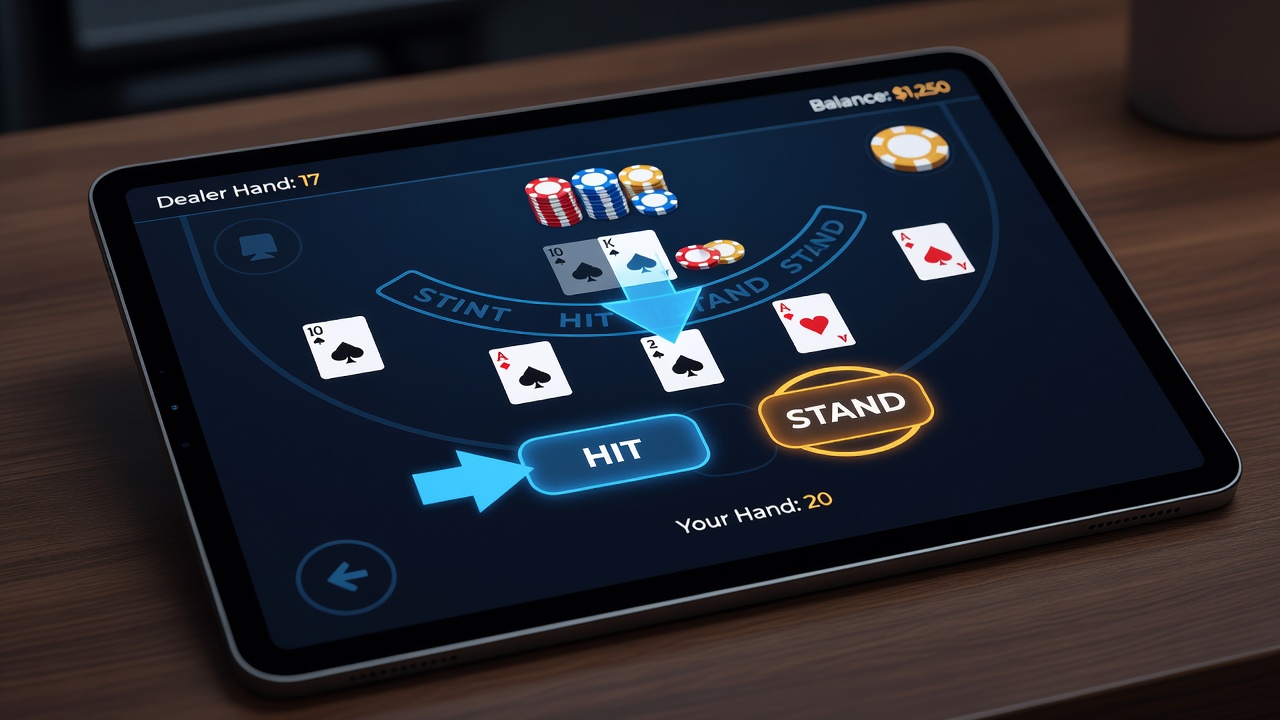
Virtual blackjack platforms rely on specific layout choices that shape how participants approach each hand, and these elements appear consistently across major sites in 2026. Button positioning places hit and stand controls in high-visibility zones near the center of the screen, which reduces the time players spend scanning for options and increases the likelihood of quick selections during live rounds.
Button Layouts and Action Prompts
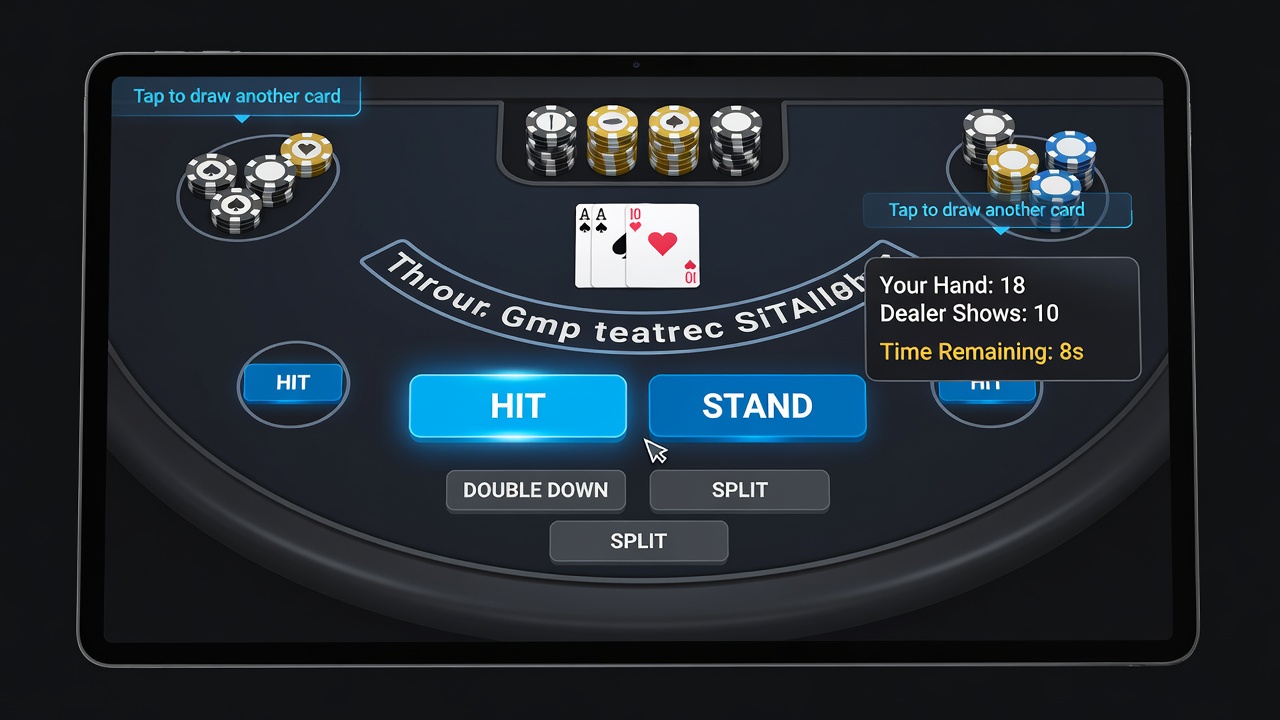
Designers position action buttons in predictable sequences that follow common decision patterns, with hit often appearing to the left of stand, and this arrangement aligns with the natural left-to-right reading flow many users follow. Split and double-down options activate only when rules permit, and their temporary highlighting draws attention without requiring extra clicks. Observers note that such conditional visibility cuts down on invalid move attempts while steering players toward rule-compliant choices in rapid succession.
Color Schemes and Visual Weighting
Interface teams apply distinct color palettes to differentiate bet amounts from action controls, using deeper greens and blues for wager selectors and brighter accents for decision buttons. These contrasts create visual hierarchies that guide eye movement toward the most frequent choices first. Data from platform analytics shows that players interact more often with elements carrying higher saturation levels, particularly when those elements sit against darker table backgrounds typical in blackjack environments.
Slider Controls and Default Bet Settings
Bet adjustment tools include sliders with preset increments that match common wagering patterns, and many platforms load a default stake equal to the minimum table limit. This starting point influences initial bet sizes before users adjust manually, while nearby quick-bet chips allow one-tap increases that bypass fine slider movements. Researchers tracking session logs find that these presets correlate with steadier bankroll pacing across longer play periods.
Animation Timing and Feedback Loops
Card reveal sequences use staggered animations that pause briefly after each new card appears, giving players a moment to register totals before the next prompt surfaces. Win and loss notifications employ short particle effects or color flashes that register outcomes without interrupting flow, and these cues reinforce memory of recent results. June 2026 platform updates introduced adjustable animation speeds for users who prefer faster pacing, yet the default timing remains calibrated to average decision windows recorded in earlier telemetry studies.
Information Panels and Historical Displays
Side panels display running counts of dealt cards or basic strategy suggestions when toggled on, and these overlays sit just outside the main play area to avoid direct interference with core actions. Previous hand summaries appear in compact rows below the table, allowing quick reference without shifting focus away from the current round. Such persistent data presentation supports pattern recognition while keeping primary decision buttons in the foreground.
Mobile Adaptations and Touch Targets
Responsive designs enlarge touch zones for hit and stand commands on smaller screens, and these zones expand further when portrait orientation activates. Landscape mode repositions bet sliders along the bottom edge to match thumb reach patterns common among mobile users. Platform metrics indicate that touch-optimized layouts maintain similar decision distributions to desktop versions despite the change in input method.
External testing by bodies such as the Nevada Gaming Control Board confirms that interface consistency across devices reduces errors in rule application during extended sessions. Another set of findings from the Responsible Gambling Fund Australia highlights how clear visual separation between wager tools and action buttons correlates with steadier session lengths across tested user groups.
Conclusion
Interface components in virtual blackjack environments combine spatial arrangement, color differentiation, timed animations, and adaptive controls to shape the sequence of player decisions. These elements operate together to present options clearly while embedding default behaviors that align with typical game flow. Continued refinement of these features tracks usage data collected throughout 2026, maintaining alignment between design choices and observed interaction patterns.