26 Jun 2026
Charting the Growth of Esports Betting Markets and Their Integration with Traditional Sportsbooks
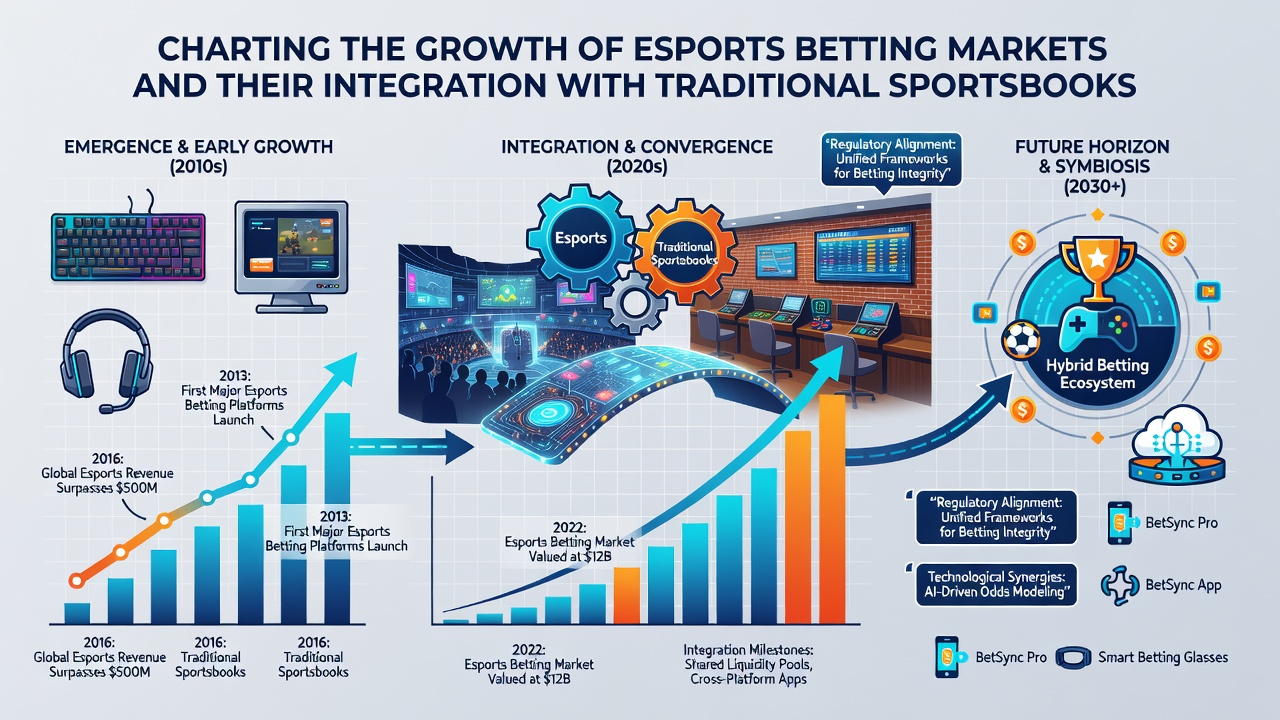
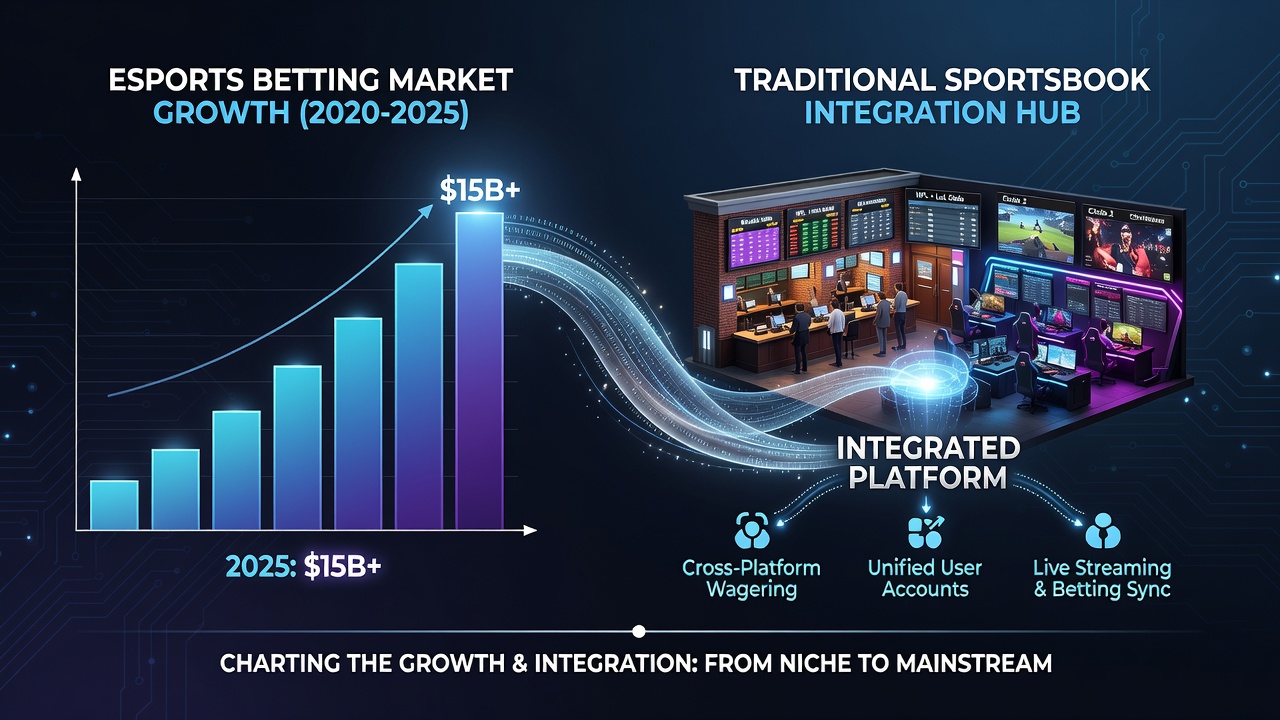 The esports betting sector has expanded rapidly over the past decade, with market analysts tracking substantial increases in wagering volumes across major platforms, while operators blend these digital competitions into established sportsbooks through shared infrastructure and unified user accounts. Data from industry reports indicate that global esports betting turnover reached several billion dollars by the mid-2020s, driven by titles such as League of Legends, Counter-Strike, and Dota 2, where live odds adjust in real time based on in-game events. Traditional sportsbooks began incorporating esports markets around 2018, when regulatory approvals in select jurisdictions allowed licensed operators to list match winners, map handicaps, and player performance props alongside football and basketball lines. This shift occurred because platforms recognized overlapping customer bases, and integration reduced the need for separate technology stacks by routing all bets through the same risk management systems.
Market Expansion Patterns Through 2026
Observers note steady growth in esports handle during 2024 and 2025, with North American and European markets contributing the largest shares according to figures released by the American Gaming Association. Mobile applications account for over 70 percent of esports wagers in these regions, reflecting user preference for instant deposits and in-play betting during tournaments streamed on platforms like Twitch and YouTube.
In June 2026, several operators announced expanded esports offerings in Australia following updates from the Australian Communications and Media Authority that clarified licensing pathways for digital competitions. These changes enabled bookmakers to offer combined betting slips where users place wagers on both traditional sports and esports events within one session, increasing session duration and cross-promotion opportunities.
Technical Integration Methods
Operators achieve integration through API connections that pull live data feeds from esports organizers directly into sportsbook software, allowing odds to update automatically without manual intervention. Risk teams apply similar hedging techniques used for football matches, such as laying off large bets with other books or adjusting limits based on sharp action from professional bettors.
Payment processing remains unified under existing gambling licenses, so users deposit once and access both verticals, while loyalty programs award points across categories to encourage broader engagement. One major operator in New Jersey reported that 35 percent of its esports customers also placed traditional sports bets within the same month, illustrating the overlap that integration exploits.
Regulatory Developments Across Regions
European regulators outside the UK, including Malta's Gaming Authority, have issued guidance on age verification and responsible gambling tools that apply equally to esports and traditional products, creating consistent compliance requirements for multi-vertical operators. In Canada, provincial regulators in Ontario approved esports betting extensions for land-based casinos in early 2026, allowing retail sportsbooks to install dedicated terminals for tournament viewing and wagering.
Data integrity remains a focus, with organizations such as the Esports Integrity Commission providing monitoring services that detect unusual betting patterns and coordinate with traditional integrity units already embedded in sportsbooks. These collaborations reduce duplication while maintaining oversight across both sectors.
Future Infrastructure Trends
Analysts project continued convergence through 2027 as cloud-based platforms enable smaller operators to add esports markets without heavy development costs. Partnerships between game publishers and betting technology providers have produced official data partnerships that supply verified statistics, improving odds accuracy and reducing disputes over results.
Stakeholder meetings scheduled for late 2026 aim to standardize terminology and settle rules around emerging formats such as battle royale and mobile esports titles. These efforts support smoother integration by aligning payout structures and settlement procedures with those already used for conventional sports.
Conclusion
Esports betting markets continue to mature through deliberate infrastructure sharing with traditional sportsbooks, supported by regulatory clarity in multiple jurisdictions and technological compatibility that streamlines operations. Figures from government agencies and industry groups document rising participation rates, while unified platforms deliver consistent user experiences across categories. Ongoing collaborations on data integrity and responsible gambling practices indicate sustained expansion without separate regulatory silos.