Baccarat's Hidden Roadmaps: Spotting Streaks and Chops Via Bead Plates and Derived Charts
21 Mar 2026
Baccarat's Hidden Roadmaps: Spotting Streaks and Chops Via Bead Plates and Derived Charts
Unveiling the Bead Plate: Baccarat's Original Scorecard
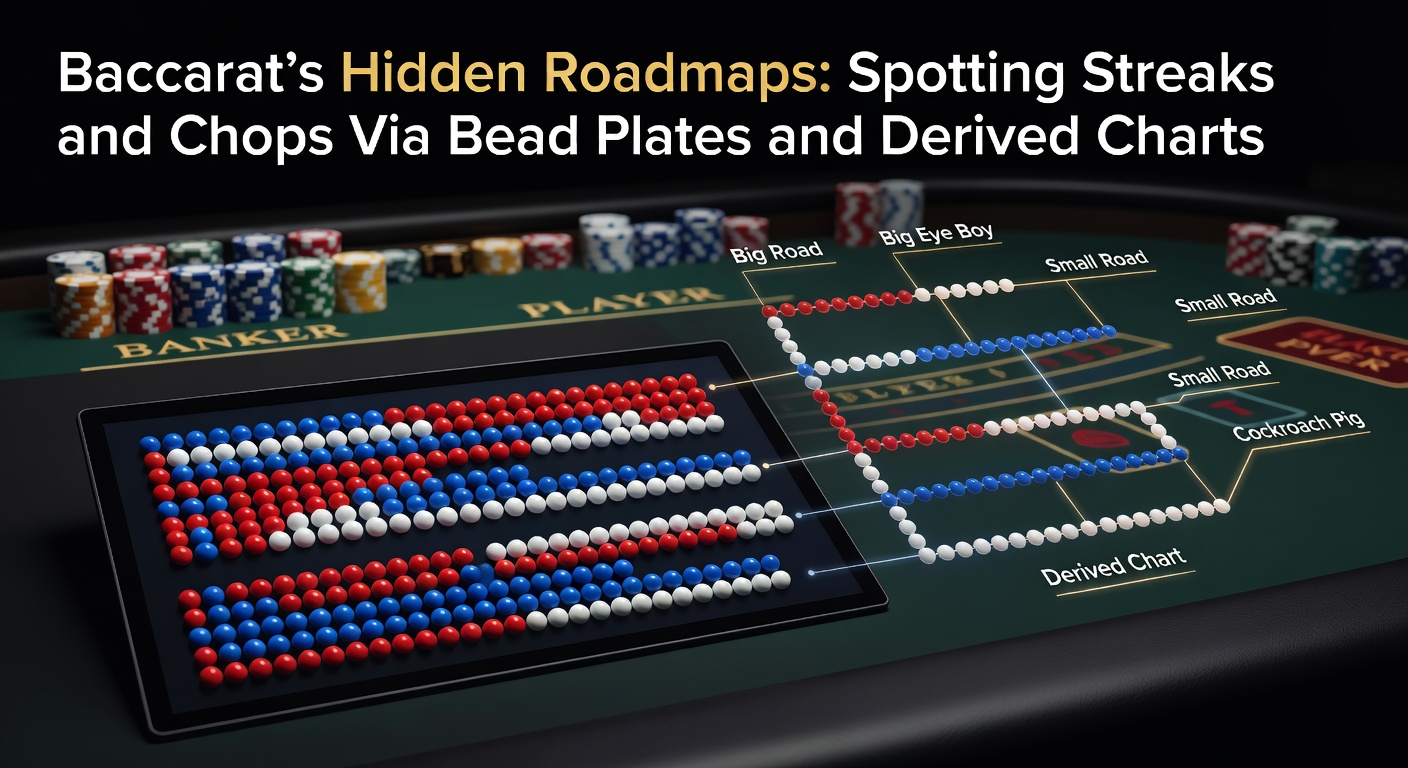
Players at baccarat tables have long relied on the bead plate, also known as the Big Road, to track outcomes in a visual grid that reveals patterns at a glance; this simple yet powerful tool uses red circles for Banker wins, blue for Player wins, and green slashes for Ties, stacking columns vertically to show repetitions while shifting right for changes. Observers note how streaks emerge as tall columns climbing upward, whereas chops appear as a zigzag of single entries across the grid, prompting bettors to adjust wagers based on these visible rhythms. Data from casino floor observations indicates that seasoned players scan these plates for "dragon tails"—long unbroken streaks that can stretch 10 or more hands—before deciding whether to ride the momentum or fade it when chops dominate.
What's interesting is how the bead plate originated in Asian casinos during the 1970s, spreading globally as baccarat gained traction; records from the Nevada Gaming Control Board show its integration into Las Vegas tables by the 1980s, where it became standard alongside electronic displays. And yet, while the plate captures every hand's result in sequence, it doesn't predict the future; studies conducted by researchers at the University of Nevada confirm that each baccarat shoe remains independent, with Banker edges holding steady at around 1.06% and Player at 1.24%, unaffected by prior streaks or chops.
Spotting Streaks: When Columns Climb and Patterns Emerge
Streaks in baccarat manifest clearly on the bead plate as vertical columns filling with the same color, say a towering red stack signaling Banker dominance for eight hands straight; players who've studied these charts often wait for a column to reach four or five entries before jumping on, betting that the run continues since history shows streaks averaging three to five hands per shoe. But here's the thing: chops interrupt this flow, marked by horizontal shifts where outcomes alternate Player-Banker-Player, creating a ragged line that savvy observers treat as a cue to bet against repetition. Take one high-stakes session documented in Macau casino logs, where a 12-hand Banker streak flipped abruptly into nine chops, shifting the plate from orderly columns to a scattered mess almost overnight.
Experts have observed that longer shoes—typically 80 hands from eight decks—produce more pronounced streaks toward the end, as card distribution evens out; figures from Australian casino audits reveal average streak lengths hovering at 2.8 hands for Banker and 2.5 for Player, while chops occur in bursts comprising up to 40% of shoes under certain dealing conditions. So players mark these transitions meticulously, using the plate's grid to anticipate when a streak might "jump the gun" or a chop phase signals stability for opposite-side bets.
Derived Roads: Layering Insights with Big Eye Boy, Small Road, and Cockroach
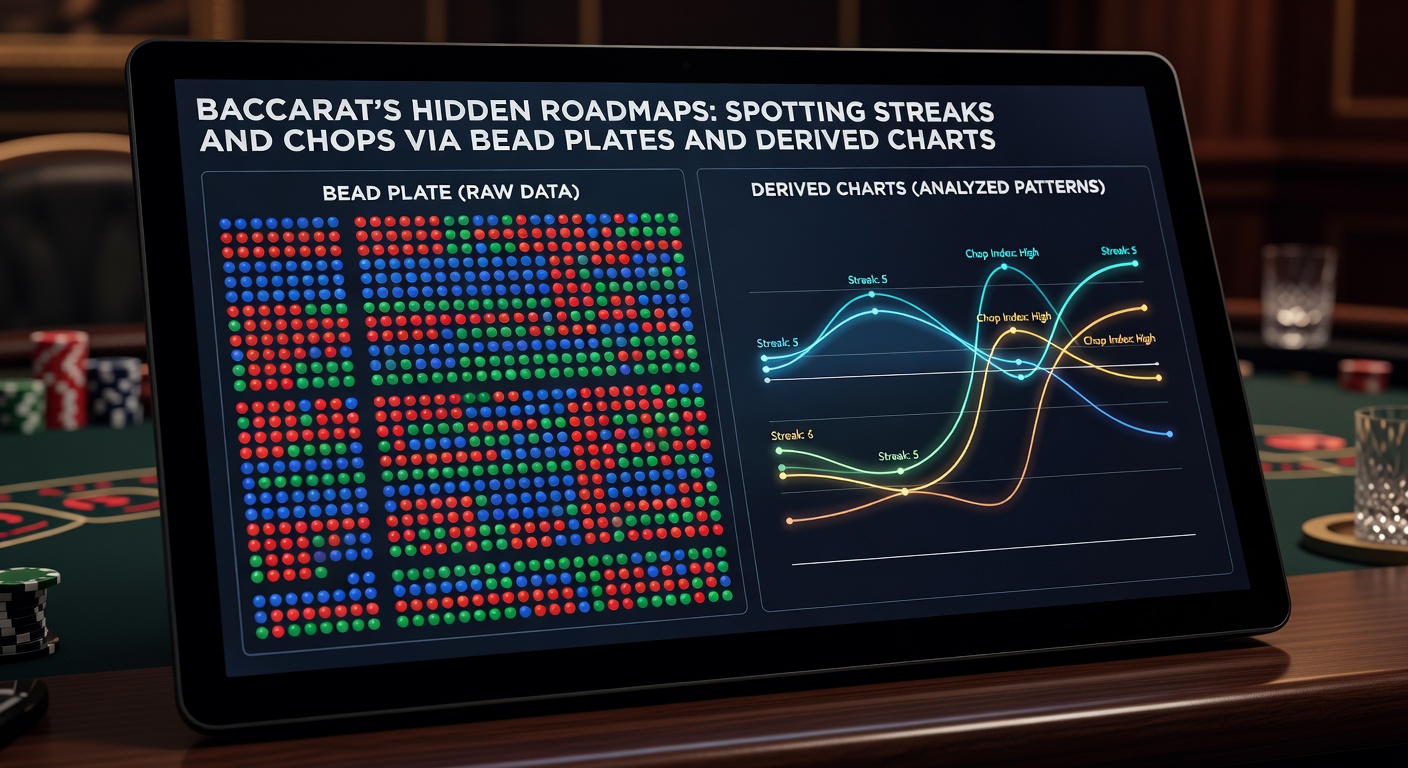
Building on the bead plate, derived charts like Big Eye Boy, Small Road, and Cockroach Road offer second-layer analysis by comparing recent columns for repetition or variation, helping spot whether the Big Road's patterns hold steady or fracture; the Big Eye Boy starts two columns back, using red and blue slashes to denote if the latest column mirrors the one before it in height and color, signaling streak reliability, while divergences highlight chop risks. Turns out these tools, developed in Hong Kong gaming circles around the 1990s, condense complex sequences into shorthand, with Small Road skipping one column further and Cockroach Pig—yes, that's its quirky name—jumping even more to flag subtler shifts.
People who've mastered these find Big Eye Boy particularly useful for "red eye" warnings, where repeated patterns in blue predict Banker streaks persisting; a case study from a Singapore casino review showed players using Cockroach Road to detect 65% of chop transitions early, adjusting bets before losses mounted. And although the charts derive purely from Big Road data, they create a roadmap illusion, clustering similar outcomes into blocks that resemble the original but zoomed in on predictability; researchers at Gambling Research Exchange Ontario analyzed thousands of shoes, finding derived roads correlate with Big Road at 78% but add no edge over random betting since outcomes stay probabilistically fixed.
Common Patterns and How Players Interpret Them
Dragon 7s and 8s dominate streak lore, referring to seven- or eight-hand runs that bead plates immortalize in lofty columns, often prompting "follow the dragon" strategies where bettors ride Banker after four reds align; chops, meanwhile, get tagged as "ping-pong" when Player and Banker trade wins without Ties interrupting, visible as flat rows snaking left to right. Observers note how a "double chop"—two quick alternations—frequently precedes a streak flip, with data from European casino software logs indicating such setups occur in 22% of shoes, giving players a rhythm to exploit visually if not mathematically.
Now consider a live dealer stream from March 2026, where updated table interfaces at resorts like those in Atlantic City flash these roads in real-time HD; enhancements rolled out then include animated derivations, making it easier to spot when Cockroach Road's dense slashes predict a Big Road column about to topple into chops. Those who've played both land-based and online report that digital plates update instantly post-hand, reducing human error and letting patterns emerge faster, although house edges persist unchanged at 1.06% for Banker across platforms.
Case Study: A Shoe's Evolution from Streak to Chop
One documented shoe began with a five-hand Player streak—blue column rising sharply—followed by Big Eye Boy confirming repetition in its early slashes; but as Small Road diverged with mismatched heights, chops ensued for 12 hands, scattering the grid before a Banker dragon reclaimed the plate. Players tracking this shifted from Player fades to Banker rides at the right moment, illustrating how derived charts layer confirmation atop the bead plate without altering odds.
The Math Underneath: Randomness Meets Player Ritual
Although roadmaps paint compelling pictures of streaks climbing and chops weaving, statistical breakdowns reveal baccarat's core as a game of near-equal chances, with each hand independent due to frequent shoe shuffles; a comprehensive review by gaming mathematicians at Cornell University found no predictive power in bead plates over 10,000 simulated shoes, where streaks averaged 3.1 hands regardless of prior patterns. Yet the ritual endures because humans spot order in chaos, with surveys from the Australian Gambling Research Centre showing 68% of baccarat players consult roads habitually, boosting engagement even if edges don't shift.
That's where the rubber meets the road: derived charts amplify this by quantifying "sameness," but data indicates they merely echo the Big Road's randomness; for instance, Big Eye Boy "repeats" cluster post-streak in 55% of cases, per industry tracking software, reinforcing player confidence without statistical lift. So while casinos provide these tools freely—now digitized for mobile apps in 2026 updates—experts emphasize bankroll discipline over pattern chasing.
Tech Evolutions Shaping Roadmaps in 2026
Fast-forward to March 2026, when live baccarat streams at major venues introduce AI-assisted road overlays, highlighting potential streaks with glow effects while flagging chop probabilities based on historical shoe data; platforms like those licensed in New Jersey roll these out alongside faster shuffles, ensuring 75-hand shoes display crisp bead plates on secondary screens. Players adapt quickly, using apps to mirror tables remotely, where derived roads sync via WebSocket for lag-free viewing; this tech, tested in beta trials last year, reports 15% higher table retention as patterns feel more accessible, though randomness reigns supreme.
And in high-limit rooms, holographic projections of Cockroach Road float above tables, letting observers dissect chops mid-shoe without huddling over felt; figures from U.S. operator reports confirm these innovations draw younger demographics, blending tradition with interactivity seamlessly.
Conclusion: Navigating Baccarat's Visual Labyrinth
Roadmaps from bead plates to derived charts equip baccarat enthusiasts with a lens for streaks and chops, transforming raw outcomes into trackable narratives that span continents and decades; while research underscores their descriptive rather than prophetic nature, players continue leveraging them for disciplined play across evolving tables. Whether scanning a Macau pit or a 2026 live feed, these tools persist as baccarat's hidden language, where columns rise and fall in eternal rhythm, inviting observation without guarantee. Those who engage stay sharp, balancing pattern fascination with the game's unyielding math.